Short Summary
Moving a vehicle from one place to another isn’t always as simple as driving it yourself, especially over long distances or when dealing with a non-running car. This article explains how a professional Car Delivery Service works, what to expect from vehicle transport services, and the key factors that influence pricing and reliability. Whether you’re buying a car from another city, relocating, or need a car collection service for an auction purchase, this guide breaks down everything in simple, practical terms.
Everything You Need to Know About Car Transport Services
There are plenty of situations where driving a car yourself just isn’t practical. Maybe you bought a vehicle from a seller hundreds of miles away, maybe your car broke down somewhere far from home, or maybe you simply don’t have the time to make a long drive. This is exactly where a car transport service comes into the picture.
Over the past few years, more people have started relying on professional transport companies instead of risking long drives, putting extra mileage on a vehicle, or dealing with the stress of moving a car that isn’t running properly. This article walks through how these services work, what features to look for, and how pricing typically gets calculated.
What Is a Car Transport Service?
At its core, a car transport service involves a company picking up your vehicle from one location and delivering it to another, without you having to drive it yourself. This can apply to:
- Cars purchased from a dealership in another city or country
- Vehicles bought through online marketplaces or auctions
- Cars being relocated due to a house move
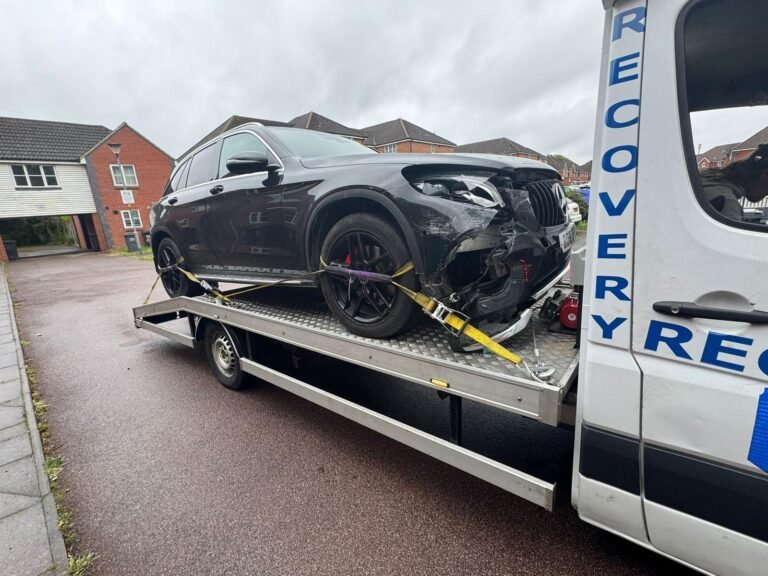
- Non-running or damaged vehicles that need to be moved safely
- Classic or luxury cars that require extra care during transport
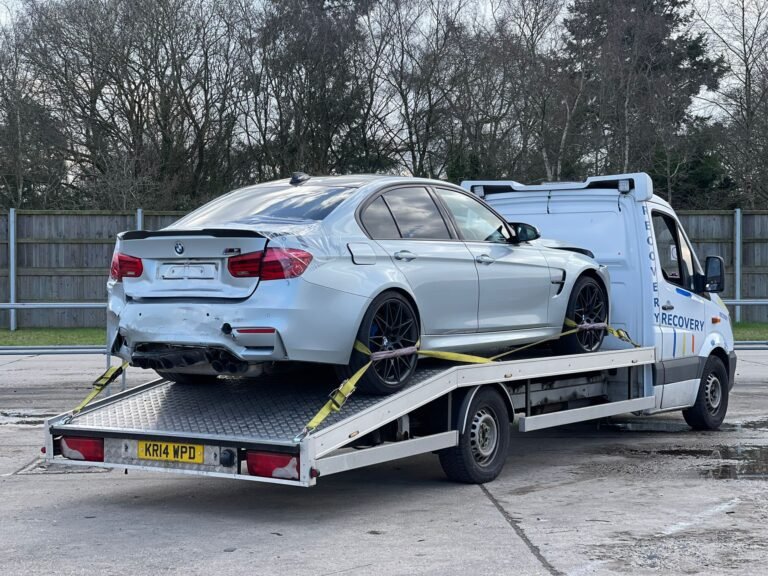
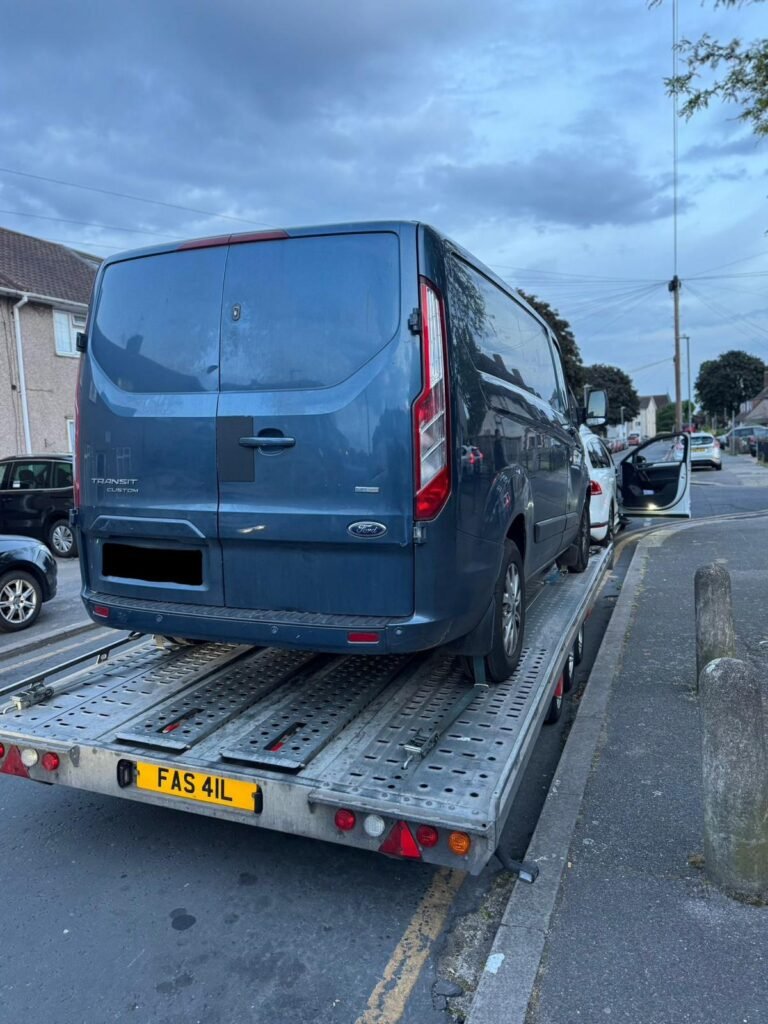
Instead of putting wear and tear on a vehicle through a long drive, the car is loaded onto a carrier and transported directly to its destination.
How Vehicle Transport Services Typically Work
Most car and van emergency recovery companies follow a fairly similar process, even if the finer details vary slightly between providers. Generally, the journey looks something like this:
- Booking and quote – You provide pickup and drop-off locations along with vehicle details
- Scheduling – A pickup time is arranged based on availability and urgency
- Inspection – The vehicle is checked and documented before loading
- Loading – The car is secured onto an open or enclosed carrier
- Transit – The vehicle is transported to the destination
- Delivery and inspection – The car is unloaded and checked again upon arrival
This structured process helps avoid disputes later, since both pickup and delivery conditions are documented clearly.
Types of Car Collection and Delivery Options
Not every transport situation is the same, which is why providers usually offer different types of service depending on the vehicle and circumstances.
- Open transport – The most common and affordable option, where vehicles are carried on an open trailer
- Enclosed transport – A more protected option often used for luxury, vintage, or high-value vehicles
- Door-to-door delivery – The vehicle is picked up and dropped off directly at specified addresses
- Terminal-to-terminal – Vehicles are dropped off and picked up from designated locations, often at a lower cost
- Same-day or scheduled collection – Some situations need urgent pickup, while others can be planned in advance
Choosing the right option usually comes down to budget, urgency, and how much protection the vehicle needs during transit.
Key Features That Matter in a Good Service
When comparing different providers, it helps to know which features actually make a difference in service quality. Here are some of the most important ones to look for:
- Insurance coverage – Protection in case anything goes wrong during transit
- Real-time tracking – Ability to know where your vehicle is during the journey
- Professional handling – Trained staff who know how to load and secure vehicles properly
- Flexible scheduling – Options for both urgent and planned transport
- Transparent communication – Clear updates from pickup to delivery
- Proper documentation – Condition reports and paperwork at both ends of the journey
- Wide coverage area – Ability to handle both short local moves and long-distance transport
A provider that checks most of these boxes is generally a safer choice than one offering rock-bottom prices with little transparency.
What Affects Car Transport Cost
One of the most common questions people ask is about reliable transport and recovery, and understandably so, since pricing can vary quite a bit depending on several factors.
Here’s what typically influences the final price:
- Distance – Longer routes naturally cost more than short, local moves
- Vehicle type and size – Larger or heavier vehicles may cost more to transport
- Transport type – Enclosed transport usually costs more than open transport
- Urgency – Same-day or expedited service often comes at a premium
- Vehicle condition – Non-running vehicles may require special equipment
- Pickup and drop-off locations – Remote or hard-to-access areas can add to the cost
- Seasonal demand – Pricing can fluctuate based on how busy providers are at a given time
Getting a few quotes before booking is usually a smart way to understand fair pricing in your specific situation.
When Car Home Delivery Makes Sense
For many people, convenience is just as important as cost. This is where car home delivery becomes especially useful. Instead of arranging to meet a transporter somewhere else, the vehicle is delivered directly to your doorstep.
This option tends to make the most sense when:
- You’re purchasing a vehicle remotely and can’t travel to collect it
- You have a busy schedule and limited time for pickup arrangements
- The vehicle needs to go straight into a garage or secure location
- You’re relocating and need the car delivered alongside other belongings
- You simply prefer the convenience of not having to arrange separate transport
Home delivery does sometimes come with a slightly higher cost compared to terminal pickup, but for many people, the added convenience is well worth it.
Common Situations Where People Use Transport Services
Car transport isn’t just for one type of customer. It’s used across a wide range of everyday situations, including:
- Buying a car from an out-of-state or overseas seller
- Moving to a new city or country and needing to relocate a vehicle
- Sending a car to a dealership for sale or trade-in
- Transporting a vehicle bought through an online auction
- Moving classic, vintage, or collector cars that need extra care
- Relocating company or fleet vehicles between locations
- Transporting a car that’s no longer drivable due to mechanical issues
Each of these situations may require slightly different handling, which is why discussing specific needs with a provider beforehand is always a good idea.
Tips for a Smooth Transport Experience
A few simple steps can make the entire process much easier, regardless of which provider you choose.
- Get everything in writing – Confirm pricing, pickup dates, and delivery timelines clearly
- Take photos before pickup – This helps document the vehicle’s condition beforehand
- Remove personal belongings – Most providers don’t cover personal items left inside the car
- Check insurance details – Understand what’s covered in case of damage
- Ask about delivery windows – Especially important for long-distance transport
- Keep communication open – Stay in touch during pickup and delivery stages
Taking these precautions doesn’t take much time but can prevent unnecessary stress later on.
How to Choose the Right Provider
With so many options available, picking the right transport company can feel overwhelming. A simple approach is to focus on a few key things:
- Compare quotes from a handful of providers rather than just one
- Read reviews from previous customers to gauge reliability
- Ask about insurance coverage and what it actually includes
- Clarify pickup and delivery timelines upfront
- Confirm whether tracking is available during transit
- Make sure all costs are explained clearly before booking
Taking a little extra time during the research phase usually pays off in the long run, both in terms of cost and peace of mind.
Frequently Asked Questions
1. How long does car transport usually take? Delivery time depends on distance, route, and scheduling. Short, local transports can often be completed within a day, while longer journeys may take several days depending on logistics and demand.
2. Is it safe to transport a non-running vehicle? Yes, most professional providers have the right equipment to safely load and transport vehicles that aren’t running, including those with mechanical issues or missing keys.
3. Do I need to be present during pickup and delivery? It’s generally recommended, but not always required. Many providers allow someone else to be present on your behalf, as long as proper identification and documentation are arranged in advance.
Final Thoughts
Choosing the right way to move a vehicle doesn’t have to be complicated once you understand how the process works. Whether it’s a short local move or a long-distance delivery, taking time to compare options, ask the right questions, and understand pricing factors can make the entire experience smoother and far less stressful. A reliable transport partner does more than just move a car from point A to point B, they give vehicle owners peace of mind throughout the entire journey.