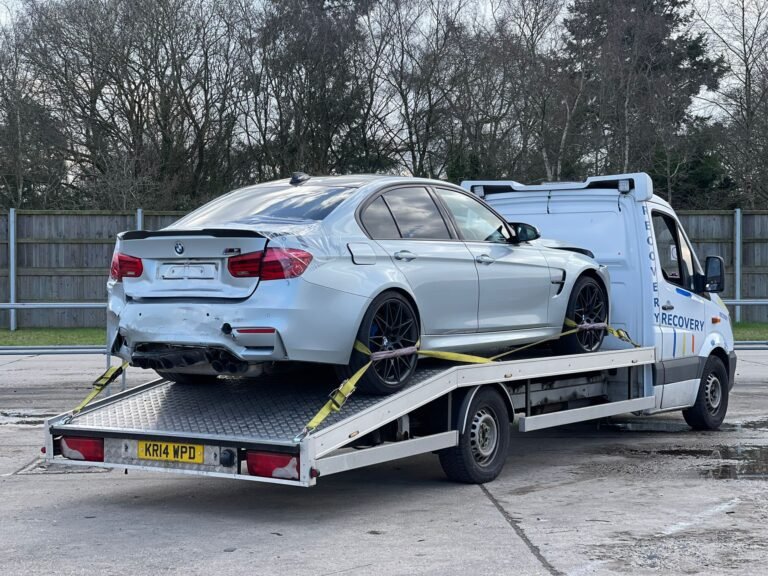
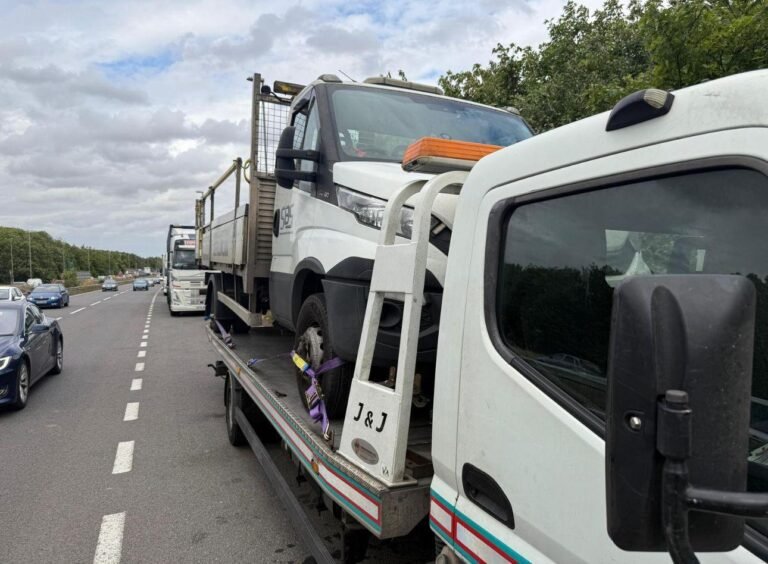
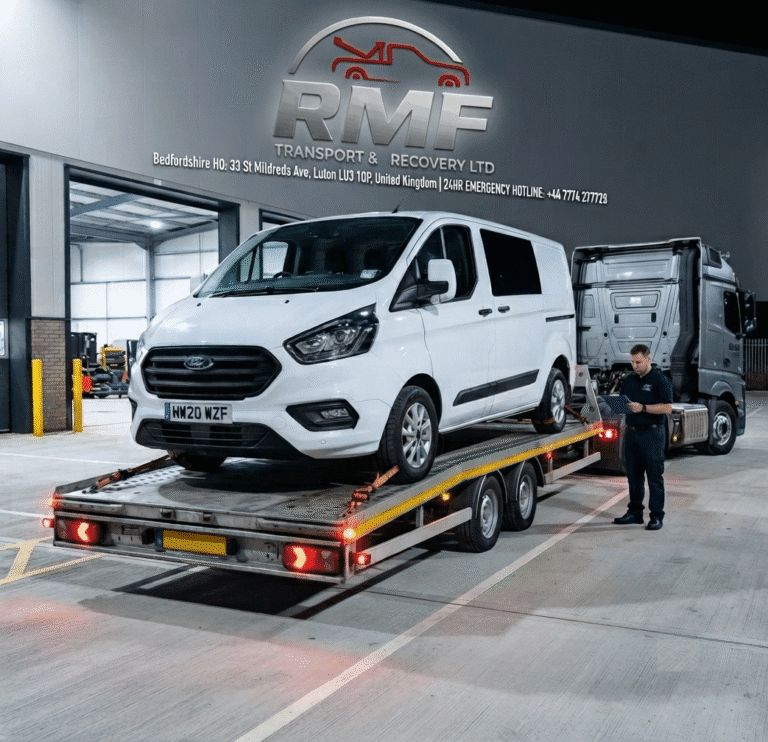
Vehicle recovery services in the UK provide essential support for drivers and businesses experiencing breakdowns, accidents, or vehicle transportation needs. These services ensure safe, timely, and professional handling of cars, motorcycles, vans, and commercial vehicles across urban, rural, and long-distance locations. Recovery operations cover emergency breakdowns, roadside assistance, accident recovery, and long-distance transport, using specialised equipment such as flatbeds, wheel-lifts, and winches.
Recovery pricing and costs are determined by vehicle type, distance, service urgency, location, and additional requirements. Emergency callouts and off-road recoveries incur higher fees, while insurance or membership plans can reduce expenses. Regional factors, including accessibility, road type, and operator density, influence response times and service availability.
Legal and safety standards govern all recovery operations, including compliance with the Road Traffic Act, Health and Safety regulations, vehicle weight limits, and roadside protocols. Operators deploy hazard lights, cones, and secure loading techniques to protect drivers, passengers, and vehicles. Specialist handling for motorcycles, heavy vans, and commercial fleets ensures minimal damage and safe transport.
Professional recovery services reduce driver risk, minimise downtime, and improve efficiency for both private and fleet vehicles. Rapid response, controlled recovery, and adherence to safety protocols prevent accidents, reduce vehicle damage, and support insurance claims. Long-distance and motorway recoveries follow strict planning, route coordination, and traffic management to ensure timely and secure transport.
Understanding these services helps drivers and businesses respond effectively to breakdowns, accidents, and vehicle transport needs. Professional operators provide expertise, equipment, and compliance that ensure safety, reliability, and peace of mind in all recovery scenarios.
What Are Vehicle Recovery Services in the UK?
Vehicle recovery services in the UK provide roadside assistance, vehicle transportation, and breakdown recovery for immobilised vehicles. These services operate across motorways, A-roads, urban streets, and rural locations to move cars, vans, motorcycles, and commercial vehicles to safe destinations. UK vehicle recovery covers breakdown recovery, accident recovery, off-road recovery, and long-distance vehicle transport. The service scope includes 24/7 emergency response, planned vehicle movements, and insurance-approved recoveries. Recovery operations comply with UK road safety regulations and local authority requirements. Service providers use flatbed trucks, wheel-lift systems, and heavy recovery vehicles. Vehicle recovery services reduce road hazards, restore traffic flow, and protect vehicle integrity.
Breakdown Recovery Services
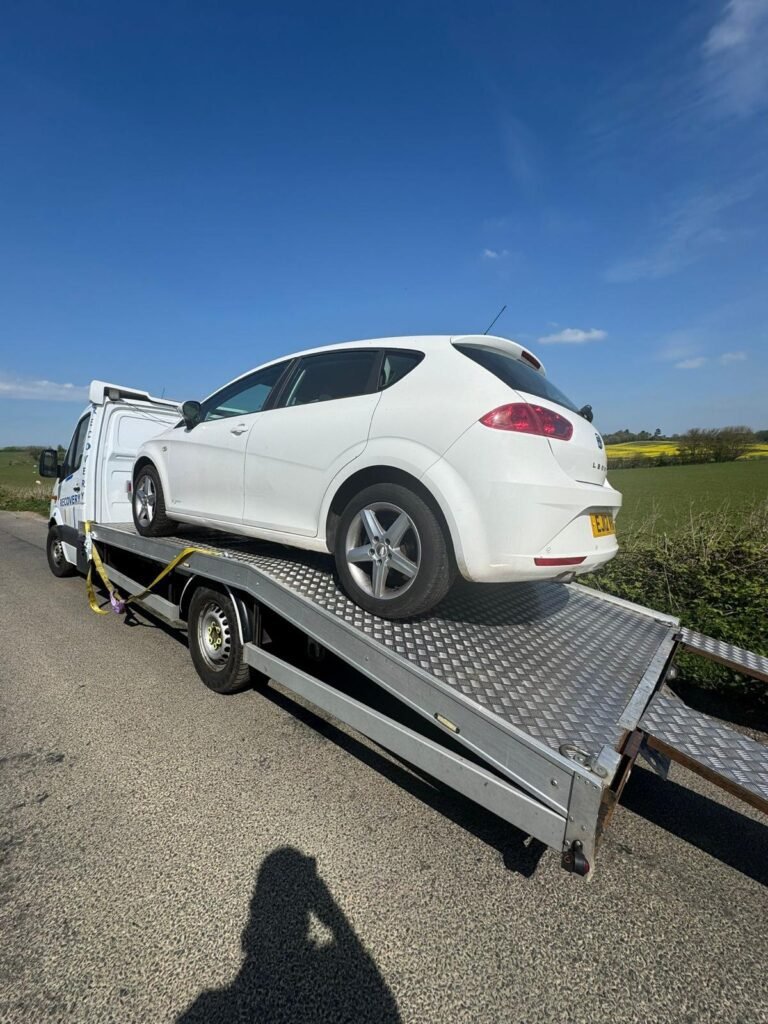
Breakdown recovery services assist vehicles that stop functioning due to mechanical or electrical failure. Common causes include battery failure, engine overheating, clutch failure, and fuel system faults. UK breakdown recovery resolves over 65% of roadside incidents through towing or transport.
Accident Recovery Services
Accident recovery services remove damaged vehicles following road traffic collisions. Recovery operators coordinate with police, insurers, and local authorities to clear roads safely. Accident recovery reduces secondary collision risk by up to 30% on high-speed roads.
Emergency Roadside Recovery
Emergency roadside recovery services respond within priority timeframes to immobilised vehicles. Urban response times average 30–45 minutes, while motorway response averages 45–60 minutes. Emergency recovery supports driver safety and traffic management.
24/7 Vehicle Recovery Availability
24/7 vehicle recovery services operate continuously without time restrictions. Continuous availability supports night-time incidents, weekend breakdowns, and public holiday emergencies across the UK road network.
Local and Nationwide Vehicle Recovery
Local and nationwide vehicle recovery services transport vehicles short or long distances. Local recovery typically covers 10–30 miles, while nationwide recovery exceeds 100 miles. Long-distance recovery preserves vehicle condition using flatbed transport.
Commercial Vehicle Recovery
Commercial vehicle recovery services support vans, fleet vehicles, and light commercial transport. Fleet recovery reduces operational downtime and protects delivery schedules. Commercial recovery includes load-secured transport and weight-rated equipment.
Vehicle Recovery Equipment and Methods
Vehicle recovery services use specialised equipment to prevent vehicle damage. Standard methods include flatbed loading, wheel-lift towing, and heavy-duty winching. Equipment selection depends on vehicle weight, damage level, and road position.
Legal and Safety Compliance in UK Recovery
UK vehicle recovery services operate under road safety, traffic management, and recovery legislation. Compliance includes high-visibility protocols, hazard signage, and controlled loading zones. Legal compliance ensures public safety and insurer acceptance.
What Do Vehicle Recovery Services Cover?
Vehicle recovery services in the UK cover roadside assistance, vehicle towing, accident clearance, and safe vehicle transportation. Coverage applies to private cars, motorcycles, vans, and commercial vehicles across urban, rural, and motorway locations. Service scope includes emergency response, planned recovery, and specialist vehicle handling. Vehicle recovery services focus on safety, traffic flow restoration, and vehicle protection. Operations follow UK recovery standards and road safety requirements. Coverage varies by vehicle type, location, and recovery method. Comprehensive recovery reduces secondary incidents and roadside risks.
Roadside Breakdown Assistance
Roadside breakdown assistance covers immobilised vehicles caused by mechanical or electrical failure. Services include towing, winching, and vehicle relocation to repair facilities. Breakdown incidents represent over 60% of UK recovery callouts.
Accident and Collision Recovery
Accident recovery covers the removal of damaged vehicles after road traffic collisions. Recovery teams coordinate with emergency services and insurers to clear carriageways. Collision recovery improves traffic safety and reduces congestion duration.
Vehicle Towing and Transportation
Vehicle towing services cover short-distance and long-distance vehicle movement. Towing distances range from under 10 miles locally to over 200 miles nationwide. Flatbed transport protects drivetrain and body integrity.
Off-Road and Difficult Access Recovery
Off-road recovery covers vehicles stranded on verges, fields, car parks, and construction areas. Winching and specialist lifting equipment support uneven terrain recovery. Off-road incidents increase during winter and adverse weather conditions.
Motorway and High-Speed Road Recovery
Motorway recovery covers immobilised vehicles on high-speed road networks. Operations follow controlled traffic management protocols. Motorway recovery reduces secondary collision risk by maintaining clear lanes.
Vehicle Storage and Secure Holding
Vehicle recovery services include short-term secure vehicle storage. Storage facilities support insurance assessments, police investigations, and delayed collections. Secure storage prevents theft and further damage.
Fleet and Commercial Vehicle Recovery
Commercial vehicle recovery covers vans and fleet-operated vehicles. Services minimise business downtime and support logistics continuity. Fleet recovery includes weight-rated towing and load-secured transport.
Specialist and Non-Running Vehicle Recovery
Specialist recovery covers non-running, damaged, or unroadworthy vehicles. Services include classic car transport, salvage recovery, and seized vehicle movement. Specialist methods prevent structural and cosmetic damage.
Which Types of Vehicle Recovery Services Exist?
Vehicle recovery services in the UK exist in defined categories based on incident type, vehicle condition, and recovery complexity. Each recovery type uses specific equipment, response protocols, and safety procedures. Service classification improves response accuracy and vehicle protection. UK recovery operators provide emergency, planned, and specialist recovery solutions. Categorisation ensures legal compliance and operational efficiency. Recovery type selection depends on vehicle weight, damage severity, and location. Structured recovery services reduce roadside risk and recovery time.
Breakdown Recovery
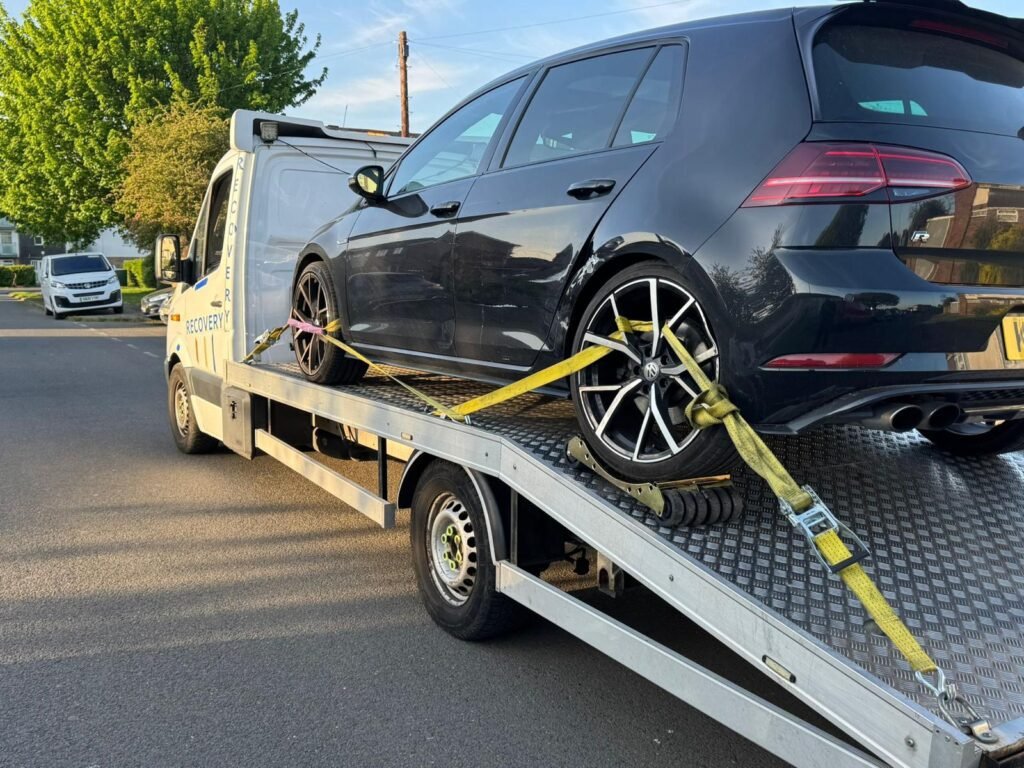
Breakdown recovery services assist vehicles immobilised by mechanical or electrical faults. Common faults include battery failure, engine malfunction, and transmission issues. Breakdown recovery accounts for approximately 65% of UK recovery callouts.
Accident Recovery
Accident recovery services remove vehicles damaged in road traffic collisions. Recovery operations involve police coordination and insurer documentation. Accident recovery improves road clearance times and traffic safety.
Emergency Vehicle Recovery
Emergency recovery services respond to vehicles posing immediate road safety risks. Priority response applies to motorway incidents and live traffic lanes. Emergency recovery reduces secondary collision likelihood.
Off-Road Vehicle Recovery
Off-road recovery services retrieve vehicles from non-road locations. Recovery environments include verges, fields, car parks, and embankments. Winching systems support uneven and soft ground extraction.
Long-Distance Vehicle Recovery
Long-distance recovery services transport vehicles over extended distances. Nationwide recovery commonly exceeds 100 miles. Flatbed transport prevents mechanical wear during long movements.
Commercial and Fleet Vehicle Recovery
Commercial recovery services support vans and fleet-operated vehicles. Recovery equipment accommodates higher vehicle weights and cargo loads. Fleet recovery reduces operational downtime.
Motorcycle Recovery
Motorcycle recovery services transport two-wheeled vehicles securely. Enclosed trailers and specialist restraints prevent movement damage. Motorcycle recovery protects frame alignment and body panels.
What Is Emergency Breakdown Recovery?
Emergency breakdown recovery is an immediate-response vehicle recovery service for immobilised vehicles that create safety risks or traffic disruption. This service operates 24/7 across UK roads, including motorways, A-roads, and urban routes. Emergency recovery prioritises rapid attendance, scene safety, and vehicle removal. Response protocols follow UK traffic management standards. Vehicles include cars, vans, motorcycles, and light commercial vehicles. Emergency breakdown recovery reduces secondary collision risk and restores traffic flow efficiently.
Immediate Roadside Response
Immediate roadside response provides priority attendance to immobilised vehicles. Average UK response targets range from 30 to 60 minutes depending on location. Priority handling applies to live lanes and high-speed roads.
Motorway Breakdown Recovery
Motorway breakdown recovery removes vehicles from controlled-access roads. Operations follow Highways safety procedures and lane management rules. Motorway recovery reduces congestion duration and incident escalation.
Safety and Traffic Management
Safety and traffic management secure the incident scene before vehicle removal. Measures include hazard signage, vehicle positioning, and high-visibility protocols. Controlled scenes lower secondary incident rates.
Vehicle Towing and Removal
Vehicle towing and removal transport immobilised vehicles to safe locations. Transport destinations include repair garages, secure compounds, or driver-selected addresses. Flatbed or wheel-lift methods prevent further damage.
Mechanical Failure Assistance
Mechanical failure assistance supports vehicles with sudden operational loss. Common failures include battery depletion, clutch faults, and engine shutdown. Emergency recovery applies when on-site repair is not viable.
Night-Time and Adverse Weather Recovery
Night-time and adverse weather recovery addresses increased roadside risk conditions. Reduced visibility and poor traction elevate hazard levels. Emergency response maintains driver and road safety.
Passenger and Vehicle Safety Protection
Passenger and vehicle safety protection prioritises occupant removal from danger zones. Recovery teams coordinate safe waiting locations when required. Safety-first protocols guide all emergency recoveries.
What Is Roadside Assistance?
Roadside assistance is a support service that provides on-the-spot help for minor vehicle issues without full vehicle recovery. The service focuses on restoring vehicle mobility at the breakdown location. UK roadside assistance operates across urban roads, rural routes, and motorways. Assistance applies to cars, motorcycles, vans, and light commercial vehicles. Roadside assistance reduces recovery requirements by resolving faults at the scene. Service availability commonly operates 24/7.
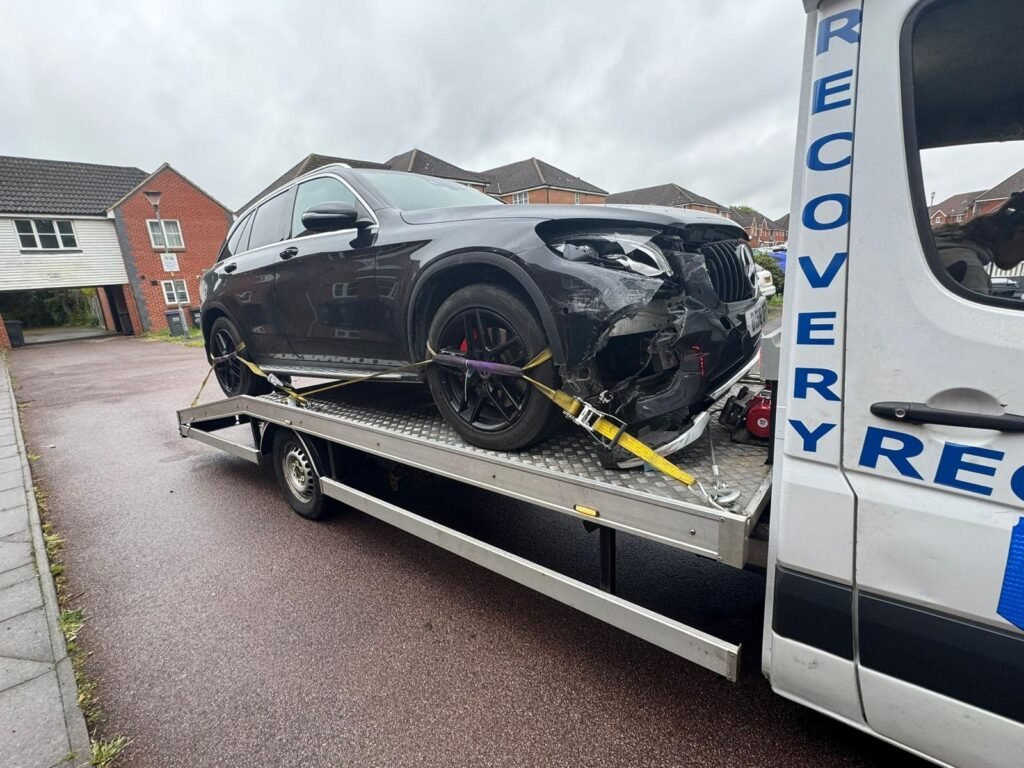
Battery Jump-Start Services
Battery jump-start services restore power to vehicles with discharged batteries. Battery failure accounts for approximately 40% of roadside assistance callouts. Portable power units enable rapid engine restart.
Flat Tyre Assistance
Flat tyre assistance replaces or inflates damaged tyres at the roadside. Services include spare wheel fitting and temporary inflation. Tyre-related incidents represent over 20% of roadside requests.
Fuel Assistance Services
Fuel assistance services support vehicles that stop due to fuel depletion. Emergency fuel delivery enables vehicles to reach the nearest refuelling station. Fuel-related callouts occur frequently on long-distance routes.
Lockout Assistance
Lockout assistance enables vehicle access when keys are inaccessible. Non-destructive entry methods protect vehicle locks and doors. Lockout services reduce towing requirements.
Minor Mechanical Fixes
Minor mechanical fixes address simple operational issues at the roadside. Repairs include loose connections, belt adjustments, and basic diagnostics. On-site fixes resolve over 50% of minor breakdowns.
Vehicle Diagnostics Support
Vehicle diagnostics support identifies fault causes using electronic scanning tools. Diagnostics determine whether roadside repair or recovery is required. Accurate assessment reduces unnecessary towing.
Temporary Vehicle Stabilisation
Temporary vehicle stabilisation prepares vehicles for safe onward travel. Stabilisation includes securing loose components and isolating faults. Stabilised vehicles reduce roadside hazards.
What Is Accident Recovery?
Accident recovery is a vehicle recovery service that removes damaged or immobilised vehicles following road traffic collisions. This service applies to cars, vans, motorcycles, and commercial vehicles involved in accidents. Accident recovery prioritises scene safety, vehicle stabilisation, and road clearance. Operations follow UK traffic management and recovery regulations. Recovery teams coordinate with police, insurers, and local authorities. Accident recovery reduces congestion duration and secondary collision risk.
Collision Scene Safety Management
Collision scene safety management secures accident locations before vehicle removal. Safety measures include hazard positioning, controlled loading zones, and high-visibility protocols. Secured scenes reduce responder and motorist risk.
Damaged Vehicle Removal
Damaged vehicle removal transports accident-affected vehicles from roadways. Removal methods include flatbed loading and winch-assisted recovery. Proper handling prevents further structural damage.
Motorway Accident Recovery
Motorway accident recovery clears vehicles from high-speed road networks. Recovery follows controlled traffic and lane closure procedures. Motorway clearance restores traffic flow efficiently.
Insurance-Approved Recovery
Insurance-approved recovery ensures compliance with insurer requirements. Documentation and condition reporting support claim processing. Approved recovery reduces claim disputes.
Police and Authority Coordination
Police and authority coordination supports lawful accident recovery. Recovery teams act under police direction during active incidents. Coordination ensures legal compliance and public safety.
Vehicle Storage After Accidents
Vehicle storage services secure accident-damaged vehicles post-recovery. Storage supports investigations, inspections, and delayed collection. Secure compounds prevent further damage or loss.
Non-Drivable Vehicle Handling
Non-drivable vehicle handling supports severely damaged vehicles. Specialist lifting and transport protect compromised structures. Non-drivable recovery requires controlled loading methods.
What Is Vehicle Transportation and Relocation?
Vehicle transportation and relocation is a planned recovery service that moves vehicles safely between locations without roadside emergencies. This service applies to operational, non-operational, and unregistered vehicles. UK vehicle transportation supports personal, commercial, and fleet requirements. Relocation services operate locally and nationwide. Transport methods prioritise vehicle protection and compliance. Vehicle transportation reduces mileage accumulation and mechanical wear.
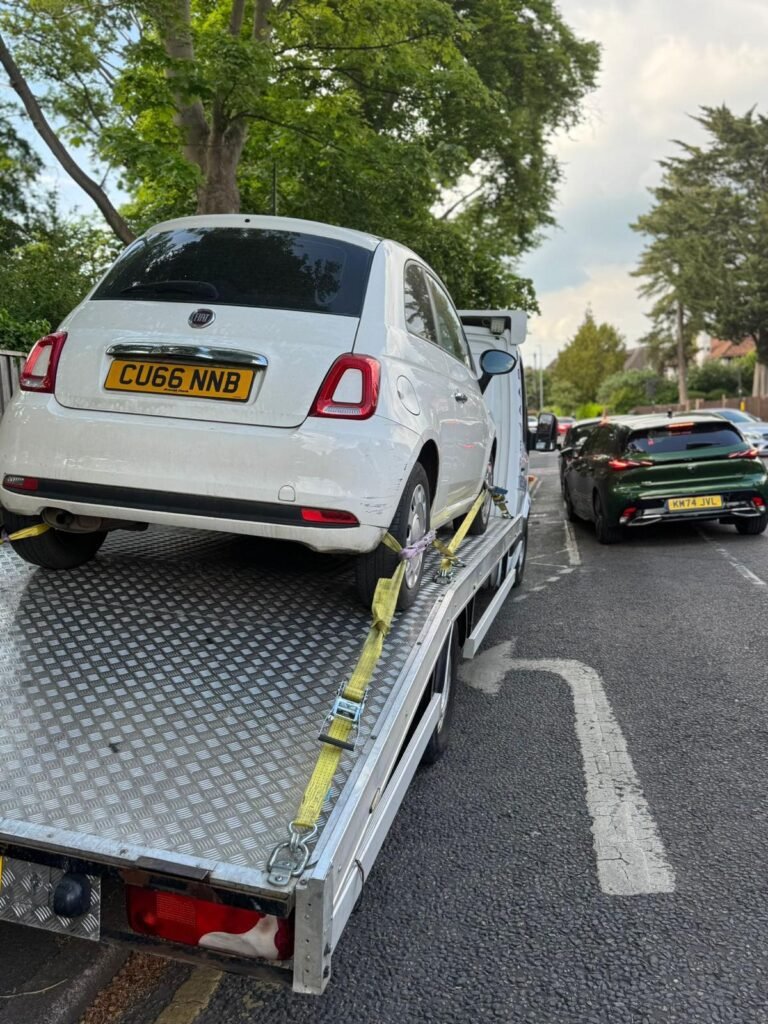
Local Vehicle Transportation
Local vehicle transportation moves vehicles within short distances. Typical relocation ranges from 5 to 30 miles. Local transport supports garage transfers and residential moves.
Nationwide Vehicle Relocation
Nationwide vehicle relocation transports vehicles across long distances. Long-distance relocation commonly exceeds 100 miles. Flatbed transport protects drivetrain and suspension components.
Non-Running Vehicle Transport
Non-running vehicle transport supports vehicles that cannot operate under their own power. Recovery methods include winching and full loading. Transport prevents further mechanical damage.
Fleet Vehicle Relocation
Fleet vehicle relocation supports commercial and leased vehicle movement. Relocation maintains operational schedules and asset control. Fleet transport uses weight-rated recovery vehicles.
Auction and Dealer Vehicle Transport
Auction and dealer transport moves vehicles between sales locations. Controlled handling preserves vehicle condition. Dealer transport supports inventory management.
Vehicle Import and Export Support
Vehicle transportation supports import and export logistics within the UK. Transport connects ports, depots, and storage facilities. Secure handling protects vehicles during transit.
Secure Vehicle Handling and Protection
Secure vehicle handling prevents damage during loading and transit. Strapping systems and load balancing protect vehicle structures. Controlled transport ensures delivery condition accuracy.
How Do Vehicle Recovery Services Operate After a Breakdown?
Vehicle recovery services operate immediately after a breakdown by assessing the situation, securing the vehicle, and transporting it to a safe location or repair facility. UK operators follow structured procedures to minimise risk, restore traffic flow, and protect vehicle condition. Services cover private cars, motorcycles, vans, and light commercial vehicles. Response methods depend on location, vehicle type, and fault severity. Efficient operation reduces roadside hazards, prevents secondary collisions, and ensures legal compliance.
Initial Breakdown Assessment
Operators assess the breakdown to determine the vehicle’s condition and required recovery method. Assessment includes mechanical inspection, safety evaluation, and accessibility check. Accurate assessment ensures appropriate resource allocation.
Vehicle Stabilisation at the Scene
Vehicles are stabilised on-site to prevent further damage or roadside hazards. Stabilisation includes hazard lights, wheel chocks, and securing loose components. Proper stabilisation protects passengers and recovery staff.
On-Site Repairs if Possible
Minor faults are repaired at the roadside when feasible. Services include battery jump-starts, tyre inflation, fuel delivery, and loose component adjustments. On-site fixes restore mobility in over 50% of cases.
Towing and Transport to Safe Location
If on-site repair is not possible, vehicles are towed to garages or secure facilities. Transport methods include flatbed loading and wheel-lift towing. Proper handling ensures mechanical and bodywork protection.
Traffic and Safety Management
Recovery teams manage traffic around the breakdown to maintain safety. Measures include hazard signs, cones, and controlled positioning. Traffic management prevents secondary collisions.
Communication with Vehicle Owners
Operators provide updates to vehicle owners during recovery. Communication includes estimated arrival times, repair recommendations, and transport details. Clear communication improves customer confidence.
Documentation and Compliance
Operators document the breakdown and recovery process for insurance and legal purposes. Records include vehicle condition, recovery method, and service completion. Compliance ensures insurer approval and regulatory adherence.
How Fast Do Vehicle Recovery Services Respond?
Vehicle recovery services in the UK respond based on incident type, location, and service priority, with average times ranging from 30 to 60 minutes. Urban breakdowns typically receive faster attention than rural or motorway incidents. Emergency and high-priority callouts, such as live-lane immobilisations, are attended within 30–45 minutes on average. Local recovery for non-urgent issues may take up to 90 minutes. Response time depends on operator availability, traffic conditions, and vehicle accessibility. Rapid response reduces secondary collision risk, limits traffic disruption, and protects vehicle integrity.
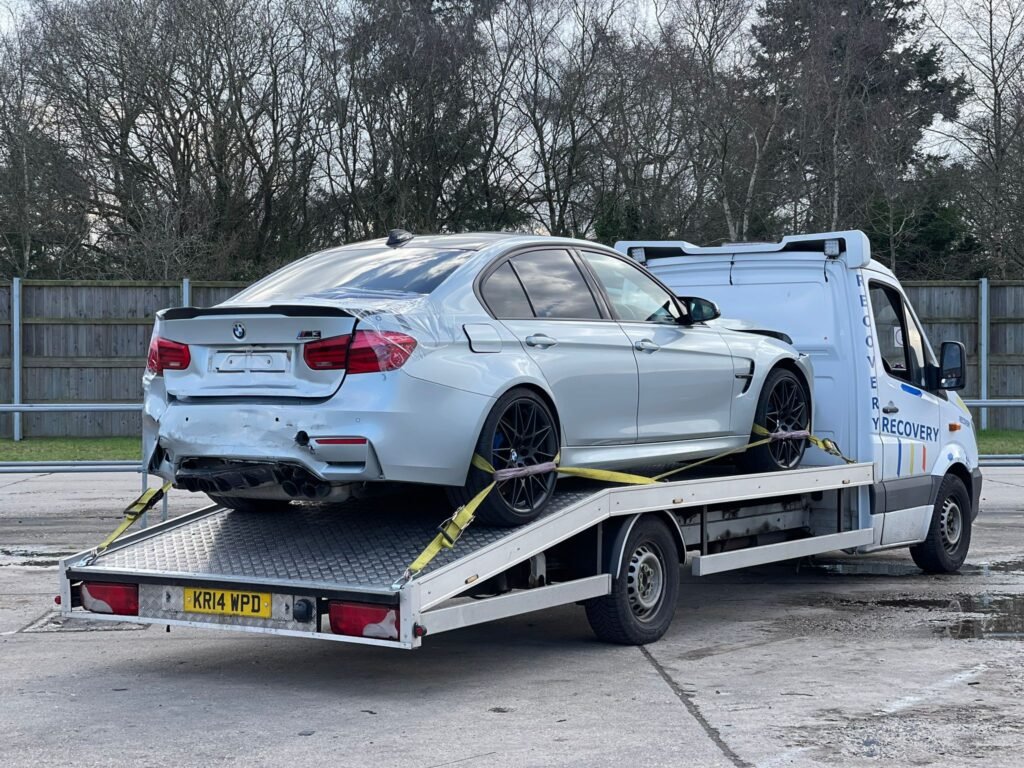
Urban Road Response
Urban breakdowns receive quicker response due to proximity to recovery depots. Average urban attendance is 30–45 minutes. Dense traffic areas may slightly extend response times.
Rural Road Response
Rural breakdowns experience longer response times due to distance and access constraints. Average rural response ranges from 45–75 minutes. Off-road or field incidents may require additional equipment.
Motorway and High-Speed Road Response
Motorway recovery follows strict safety protocols, resulting in average response times of 40–60 minutes. Priority access and controlled lanes ensure safe recovery.
Emergency and Priority Recovery
Emergency recovery services attend live-lane or high-risk incidents first. Average priority response is 30–45 minutes, depending on location and traffic.
Planned or Non-Urgent Recovery
Scheduled or non-urgent vehicle transport may have response times up to 90 minutes. Planned recovery includes pre-arranged towing or relocation services.
Factors Affecting Response Speed
Response speed depends on vehicle type, accessibility, traffic conditions, weather, and operator availability. Accurate reporting of location improves response efficiency.
Real-Time Tracking and Updates
Many UK operators provide real-time tracking of recovery vehicles. Owners receive estimated arrival times and progress updates.
Which Vehicles Are Covered by Recovery Services?
Vehicle recovery services in the UK cover a wide range of vehicles, including cars, motorcycles, vans, and commercial vehicles. Services are available for both operational and non-operational vehicles. Coverage applies to private, leased, fleet, and insured vehicles. Recovery methods vary depending on vehicle type, weight, and condition. Specialist equipment ensures safe transport for motorcycles, heavy commercial vehicles, and classic cars. Vehicle coverage includes breakdowns, accidents, off-road incidents, and long-distance relocations. Comprehensive coverage reduces risk, protects vehicles, and ensures regulatory compliance.
Private Cars
Private cars represent the most common vehicles covered by recovery services. Services include breakdown assistance, accident recovery, and long-distance towing.
Motorcycles
Motorcycles are recovered using trailers or flatbed transport with secure restraints. Proper handling prevents frame misalignment and body panel damage.
Vans and Light Commercial Vehicles
Vans and light commercial vehicles receive weight-rated towing and load-secured transport. Fleet and delivery vehicles benefit from reduced downtime during recovery.
Heavy Goods Vehicles
Heavy goods vehicles require specialist recovery equipment, including winches and flatbed lorries. Recovery teams comply with weight restrictions and road safety regulations.
Classic and High-Value Vehicles
Classic, luxury, and high-value vehicles are recovered using enclosed transport or padded flatbeds. Protective measures prevent cosmetic and structural damage.
Off-Road and Agricultural Vehicles
Off-road and agricultural vehicles are recovered from fields, construction sites, and uneven terrain. Winches and lifting systems support safe extraction.
Fleet and Commercial Coverage
Fleet vehicles, including leased or company cars, receive coordinated recovery to maintain business operations. Scheduled and emergency recovery reduce operational downtime.
How Are Cars Handled During Vehicle Recovery
Cars are handled during vehicle recovery using specialised equipment and procedures that prioritise safety, vehicle protection, and efficient transport. Recovery methods depend on vehicle type, damage level, and location. UK recovery operators follow strict safety protocols to prevent secondary accidents and structural damage. Cars may be lifted, winched, or loaded onto flatbed transport. Proper handling preserves mechanical and body integrity, ensuring vehicles arrive at repair facilities or storage in the same condition as found.
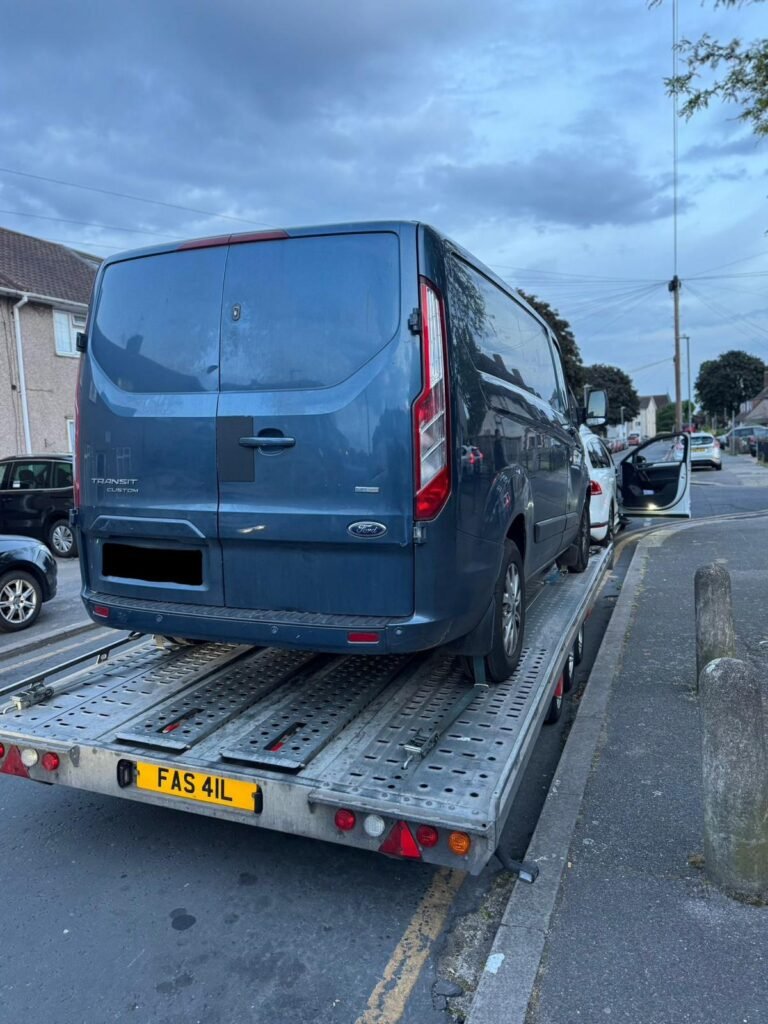
Assessment Before Handling
Recovery teams assess vehicle condition, location, and accessibility before movement. Assessment identifies damage, wheel type, and recovery method required.
Vehicle Stabilisation
Vehicles are stabilised on-site using wheel chocks, hazard lights, and immobilisation procedures. Stabilisation prevents movement during loading or towing.
Wheel-Lift Towing
Wheel-lift towing lifts the vehicle by one axle and tows it safely. Commonly used for short distances or accessible locations.
Flatbed Transport
Flatbed transport loads the vehicle entirely onto a flat trailer. Flatbeds are preferred for long distances, damaged, or high-value cars.
Winching and Off-Road Extraction
Winching is used for vehicles in ditches, fields, or uneven terrain. Recovery teams employ controlled pull techniques to prevent body damage.
Load Securing and Strapping
Vehicles are secured using straps and tension systems during transport. Proper load securing prevents movement and mechanical stress.
Driver and Passenger Safety
Passengers are removed safely before recovery begins. Recovery operators provide guidance on safe locations and protocols.
How Are Vans and Commercial Vehicles Recovered
Vans and commercial vehicles are recovered using specialised equipment and procedures designed for heavier weights, larger dimensions, and cargo protection. UK recovery operators follow strict legal and safety standards to ensure efficient and secure transport. Recovery methods depend on vehicle type, load status, and location. Flatbed trailers, heavy-duty tow trucks, and winching systems are commonly used. Proper handling minimises mechanical strain, preserves cargo, and ensures road safety during transit.
Weight-Rated Recovery Vehicles
Heavy-duty recovery vehicles are selected based on the van or commercial vehicle’s weight and axle configuration. Weight-rated equipment prevents overloading and ensures safe towing.
Flatbed Loading for Larger Vehicles
Flatbed transport fully supports the vehicle’s weight and prevents tyre or drivetrain wear. Flatbeds are preferred for long-distance or high-value vehicles.
Winching and Lift Systems
Winching is used for off-road, tipped, or immobile vans and commercial vehicles. Controlled winch techniques prevent body and structural damage.
Cargo Protection Measures
Recovery teams secure cargo to prevent shifting during transport. Strapping, padding, and load balancing protect goods and vehicle integrity.
Access and Clearance Assessment
Recovery operators assess site access and clearance before vehicle handling. Narrow lanes, low bridges, and tight parking areas may require specialist equipment.
Emergency Breakdown Response
Vans and commercial vehicles receive priority response when breakdowns obstruct traffic or logistics operations. Rapid recovery reduces downtime and operational losses.
Fleet Vehicle Coordination
Fleet and company vehicles are recovered with minimal disruption to business operations. Scheduled and emergency recovery ensures continuity of service.
How Are Motorcycles Recovered
Motorcycles are recovered using specialised trailers, flatbeds, and restraint systems to ensure safety and prevent damage to the frame, wheels, and bodywork. UK operators follow strict handling protocols due to the smaller size and unique balance requirements of motorcycles. Recovery methods depend on location, incident type, and bike condition. Proper recovery preserves structural integrity, avoids scratches or dents, and ensures the motorcycle reaches the repair facility or storage safely.
Trailer and Flatbed Transport
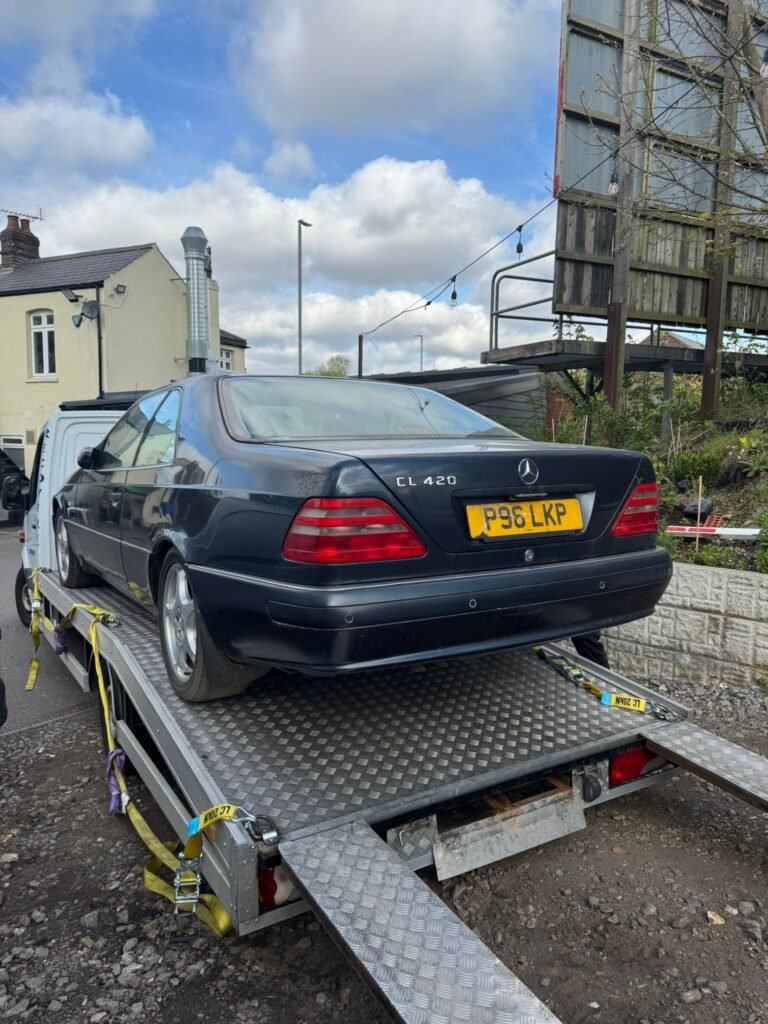
Motorcycles are loaded onto trailers or flatbeds using ramps or lifting systems. Full support prevents tipping or frame stress during movement.
Secure Restraints and Padding
Straps, wheel chocks, and padded restraints secure motorcycles in place. Restraints prevent wheel movement, tilting, or cosmetic damage.
Winching from Difficult Locations
Motorcycles in ditches, embankments, or uneven terrain are winched carefully. Controlled pulling avoids damage to suspension and body panels.
Handling Non-Operational Bikes
Non-running motorcycles are lifted or wheeled manually onto recovery vehicles. Extra care prevents transmission or brake system strain.
Passenger and Rider Safety
Riders are safely guided away from the recovery area before operations begin. Safety protocols reduce accident and injury risks.
Short-Distance Recovery
Short-distance recovery moves motorcycles to nearby repair shops or secure locations. Rapid transport reduces exposure to weather or theft.
Long-Distance and Specialist Transport
Long-distance motorcycle recovery uses enclosed trailers for classic, high-value, or performance bikes. Enclosures protect against environmental and road hazards.
How Does Vehicle Recovery Pricing Work
Vehicle recovery pricing in the UK is determined by factors including vehicle type, distance, service urgency, and additional recovery requirements. Operators set fees based on labour, equipment, and transport complexity. Emergency callouts typically cost more than scheduled recovery due to immediate response needs. Pricing varies for cars, motorcycles, vans, and commercial vehicles, with heavy or non-operational vehicles attracting higher charges. Accurate pricing ensures transparency, compliance with industry standards, and fair cost for customers.
Distance-Based Pricing
Recovery costs increase with the distance between the breakdown location and the destination. Short-distance towing is cheaper, while long-distance transport incurs higher fees.
Vehicle Type and Weight
Heavier or larger vehicles, such as vans and HGVs, require specialised equipment, affecting pricing. Small cars and motorcycles generally have lower recovery costs.
Emergency vs Scheduled Services
Emergency breakdowns carry premium pricing due to rapid response requirements. Scheduled or non-urgent recovery is more cost-effective and allows pre-planning.
Time of Day and Seasonal Variations
Night-time, weekend, or adverse weather recoveries may include additional fees. Seasonal demand spikes, such as winter or holiday periods, can affect pricing.
Additional Services
Extra services, including winching, off-road recovery, or enclosed transport, increase overall cost. Protective measures for high-value or classic vehicles are priced separately.
Insurance and Membership Discounts
Insurance policies and recovery memberships often cover partial or full costs. Membership plans provide reduced rates and priority response.
Transparent Quotes and Documentation
Operators provide upfront quotes based on assessment and distance. Documentation ensures clarity, legal compliance, and accurate billing.
What Factors Affect Vehicle Recovery Costs
Vehicle recovery costs in the UK are influenced by multiple factors, including vehicle type, distance, location, service urgency, and additional recovery requirements. Operators calculate fees to cover equipment, labour, and transport complexity. Heavy vehicles, off-road recoveries, or emergency callouts increase charges. Accurate pricing ensures transparency and aligns with industry standards, reducing disputes and unexpected costs.
Vehicle Type and Weight
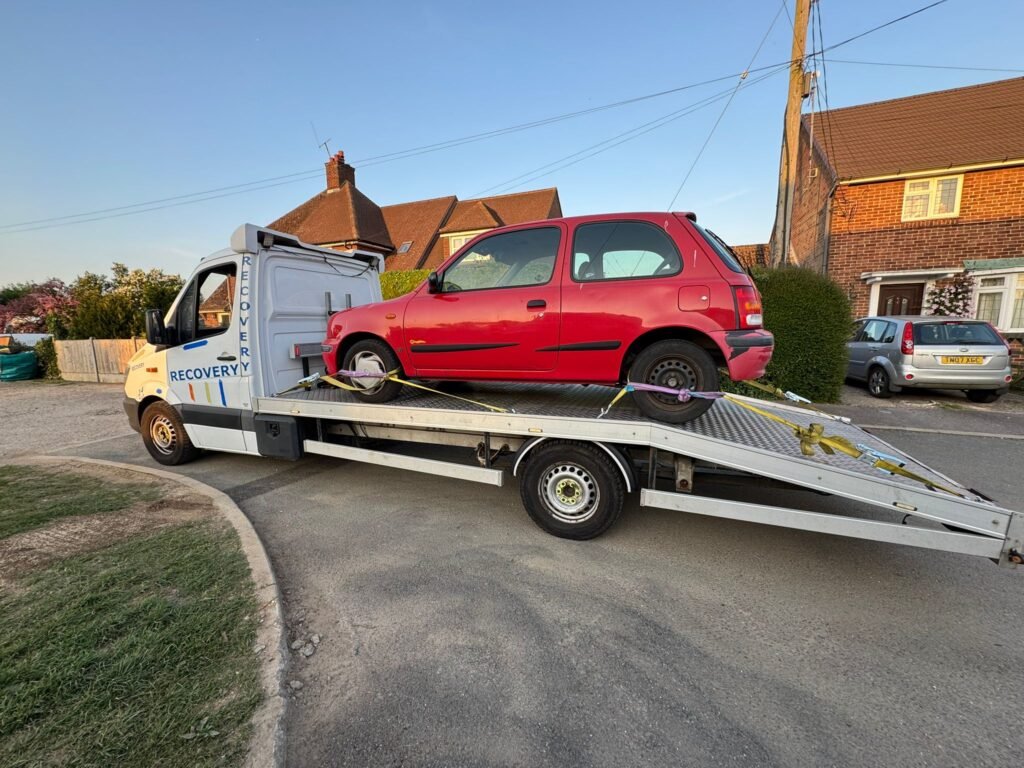
Heavier or larger vehicles, such as vans, trucks, and commercial fleets, increase recovery costs. Smaller cars and motorcycles are generally less expensive to recover.
Distance to Destination
Recovery costs rise with the distance between the breakdown location and the drop-off point. Urban short-distance recovery is more affordable than long-distance or nationwide transport.
Service Urgency
Emergency and live-lane recoveries incur higher fees due to rapid response and resource prioritisation. Non-urgent or scheduled recovery is more cost-effective.
Location and Accessibility
Difficult locations, such as rural roads, narrow lanes, or off-road sites, increase operational complexity and cost. Accessibility challenges may require specialised equipment.
Time of Day and Seasonal Demand
Night-time, weekend, or holiday recoveries often include surcharges. Peak periods, such as winter months, may affect availability and pricing.
Additional Recovery Services
Services like winching, enclosed transport for high-value vehicles, or cargo protection increase overall costs. Protective measures prevent damage and justify higher fees.
Vehicle Condition
Non-operational or heavily damaged vehicles require extra handling, raising costs. Recovery teams use specialised methods to maintain structural and mechanical integrity.
How Do Regional Differences Impact Vehicle Recovery Services
Regional differences in the UK affect vehicle recovery services through variations in response times, service availability, and pricing. Urban areas benefit from higher recovery density and faster attendance, while rural or remote regions may experience longer waits. Geographic factors, road types, and local regulations influence service methods and equipment requirements. Regional demand fluctuations also affect cost, with peak areas or high-traffic zones often charging more. Understanding regional dynamics ensures efficient, safe, and timely recovery across all vehicle types.
Urban Area Advantages
Urban regions have dense recovery networks, resulting in faster response times. Short travel distances allow operators to attend breakdowns within 30–45 minutes.
Rural Area Challenges
Rural and remote locations experience slower response due to distance and accessibility constraints. Recovery may take 45–90 minutes depending on terrain and road conditions.
Road Type Considerations
Motorways, A-roads, and narrow country lanes require different recovery approaches. Motorways follow strict safety protocols, while country lanes may need specialised vehicles for access.
Regional Equipment Requirements
Recovery equipment varies by location; urban areas may use smaller tow trucks, while rural and off-road recoveries require winches and flatbeds. Equipment choice ensures vehicle safety and efficient operation.
Local Regulations and Compliance
Regional authorities may impose specific road safety and traffic management regulations. Recovery teams coordinate with police or local councils as required.
Pricing Variations by Region
Costs differ by region due to travel distance, demand, and local operational expenses. Remote or high-demand areas may incur additional charges.
Seasonal and Weather Impacts
Regional weather conditions affect response speed and recovery methods. Snow, flooding, or icy conditions in specific areas require specialist handling and can increase service time.
What Legal and Safety Standards Govern Vehicle Recovery Operations
Vehicle recovery operations in the UK are governed by strict legal and safety standards to ensure safe transport, protect road users, and maintain compliance with national regulations. Operators must follow Highway Code rules, Health and Safety legislation, and vehicle weight restrictions. Recovery vehicles require appropriate licensing, insurance, and safety equipment. Adherence to these standards reduces accidents, protects recovered vehicles, and ensures accountability during emergency and scheduled services.
Road Traffic Act Compliance
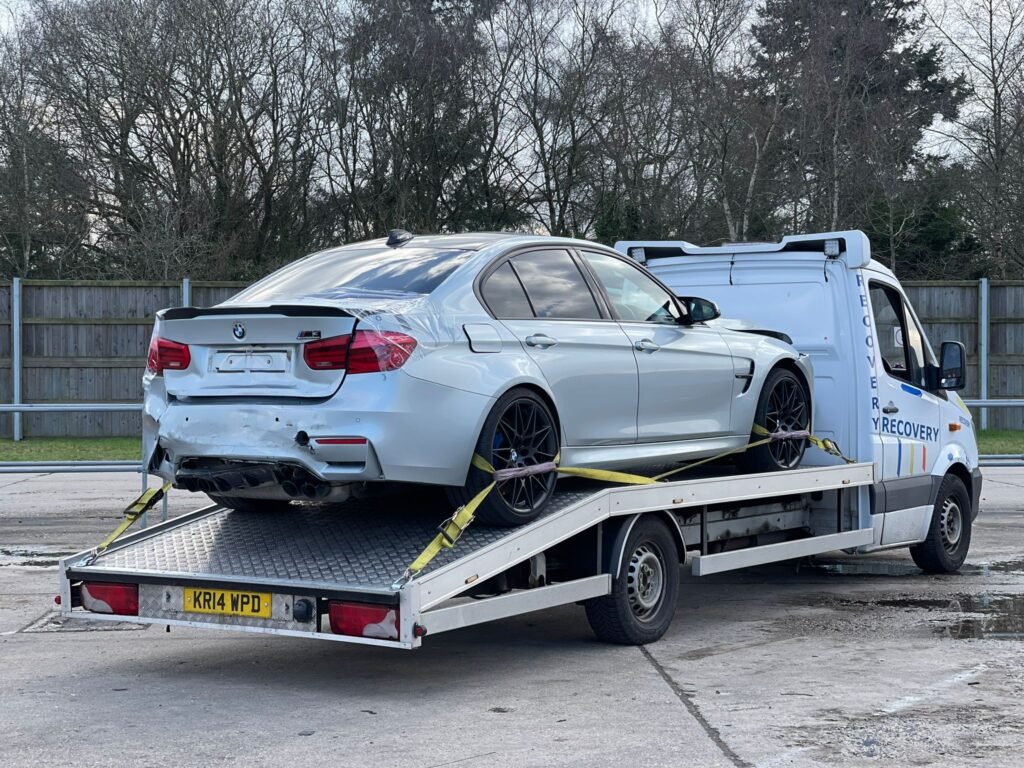
Recovery operations comply with the Road Traffic Act to ensure safe use of public highways. Operators follow speed limits, signalling, and lane restrictions during recovery.
Vehicle Licensing and Operator Standards
Recovery vehicles must meet MOT and operator licensing requirements. Heavy-duty vehicles and trailers require additional certification for commercial use.
Health and Safety Legislation
Operators adhere to Health and Safety at Work regulations during vehicle handling. Risk assessments, personal protective equipment (PPE), and safe lifting procedures prevent injury.
Vehicle Weight and Load Restrictions
Recovered vehicles must be secured within legal weight limits. Overloading flatbeds or tow trucks can lead to fines and unsafe transport.
Roadside Safety Protocols
Recovery teams use cones, hazard lights, and reflective clothing to manage roadside safety. Proper positioning prevents secondary collisions and protects recovery personnel.
Insurance and Liability Standards
Operators maintain insurance coverage for recovered vehicles and third-party liability. Documentation supports claims for damage or accident during recovery.
Environmental and Noise Regulations
Vehicle recovery operations follow environmental standards for emissions and noise. Compliance is required during urban and residential recovery operations.
How Do Recovery Operators Ensure Roadside and Vehicle Safety
Recovery operators ensure roadside and vehicle safety by following strict procedures, using specialised equipment, and managing traffic hazards during all recovery operations. UK operators prioritise the protection of the vehicle, passengers, and surrounding traffic. Safety measures include vehicle stabilisation, secure loading, hazard signalling, and controlled movement. Proper safety protocols prevent secondary collisions, reduce damage, and maintain compliance with legal and industry standards.
On-Site Assessment
Operators assess the breakdown location to identify hazards and plan recovery safely. Evaluation includes road conditions, traffic flow, and vehicle position.
Vehicle Stabilisation
Vehicles are stabilised using wheel chocks, handbrakes, and hazard lights before recovery. Stabilisation prevents unintended movement during towing or loading.
Traffic Management
Operators deploy cones, signs, and safety barriers to manage traffic around the recovery site. Controlled traffic flow reduces accident risk and protects recovery personnel.
Secure Loading Techniques
Vehicles are loaded using flatbeds, wheel-lift systems, or winches with proper restraints. Straps, chocks, and padded supports protect mechanical and body components.
Operator Safety Equipment
Recovery staff wear high-visibility clothing, helmets, and gloves. Personal protective equipment ensures safety during roadside operations.
Environmental and Weather Precautions
Operators adjust methods during adverse weather or low-light conditions. Snow, rain, or fog require additional stabilisation, lighting, and careful handling.
Communication and Signalling
Recovery teams maintain clear communication with vehicle owners and team members. Signalling guides vehicle movement and alerts passing traffic.
How Are Motorway and Long-Distance Recoveries Managed
Motorway and long-distance vehicle recoveries in the UK are managed using specialised equipment, strict safety protocols, and coordinated logistics to ensure timely and secure transport. Operators follow controlled lane procedures, coordinate with traffic authorities, and use flatbeds or heavy-duty tow trucks for long-distance transport. Proper planning reduces congestion, protects the vehicle, and ensures compliance with national regulations.
Controlled Lane Recovery
Motorway recoveries use live-lane or hard shoulder operations with strict traffic management. Operators coordinate with Highways England or local authorities for safe access.
Safety and Visibility Measures
Recovery teams deploy cones, hazard lights, and reflective signage to alert other drivers. High-visibility clothing and spotters reduce accident risks during motorway recoveries.
Vehicle Loading and Securing
Vehicles are loaded onto flatbeds or heavy-duty tow trucks using ramps and restraints. Proper strapping and wheel chocking prevent movement during long-distance transport.
Route Planning
Long-distance recoveries are planned to optimise travel time and minimise road hazards. Operators consider traffic, road types, and fuel stops when moving vehicles across regions.
Coordination with Authorities
Motorway recoveries require coordination with police, traffic officers, or motorway control centres. This ensures compliance with safety protocols and rapid incident clearance.
Emergency and Priority Services
Live-lane or urgent recoveries receive priority response to reduce congestion and secondary accidents. Operators arrive within 30–45 minutes for high-priority incidents.
Equipment for Long-Distance Recovery
Specialised flatbeds, trailers, and towing rigs are used for heavy or high-value vehicles. Equipment selection ensures vehicle stability, structural integrity, and road safety.
When Should Drivers Contact Vehicle Recovery Services
Drivers should contact vehicle recovery services immediately after a breakdown, accident, or mechanical failure that prevents safe driving. Early contact ensures timely assistance, reduces further damage, and protects passengers and other road users. Recovery services are essential for immobilised vehicles, off-road incidents, or situations where repairs cannot be completed on-site. Prompt reporting also allows operators to deploy the right equipment and personnel for the specific vehicle type and location.
After a Breakdown
Vehicles that experience engine failure, flat tyres, or electrical faults require recovery when they cannot safely continue driving. Immediate contact prevents further mechanical damage.
Following an Accident
Accident-damaged vehicles should be recovered to prevent obstruction, secondary collisions, or further damage. Recovery ensures safe transport to repair facilities or storage.
When Stranded Off-Road
Vehicles stuck in ditches, mud, or uneven terrain require professional recovery. Winching or specialised extraction methods protect the vehicle and the driver.
Non-Operational Vehicles
Vehicles that are immobile due to transmission, brake, or severe engine issues need recovery services. Attempting self-repair on-site may risk injury or further damage.
Long-Distance Relocation Needs
Drivers planning vehicle relocation or transportation over long distances should contact recovery operators for safe transport. Flatbeds and secure transport prevent wear or damage during transit.
High-Value or Classic Vehicles
Luxury, classic, or performance vehicles should use professional recovery to avoid scratches, frame misalignment, or mechanical strain. Enclosed transport is recommended for long distances.
During Adverse Weather
Vehicles immobilised by snow, flooding, or icy roads should be recovered to ensure safety. Recovery operators provide specialised handling for extreme conditions.
How Do Vehicle Recovery Services Reduce Driver Risk and Downtime
Vehicle recovery services reduce driver risk and downtime by providing rapid, professional assistance that ensures safety, prevents further vehicle damage, and restores mobility quickly. Operators use trained personnel, specialised equipment, and controlled procedures to manage breakdowns, accidents, and off-road incidents efficiently. By handling all aspects of recovery, including safe loading, transport, and roadside management, services minimise exposure to traffic hazards and accelerate return to normal driving or business operations.
Immediate Professional Assistance
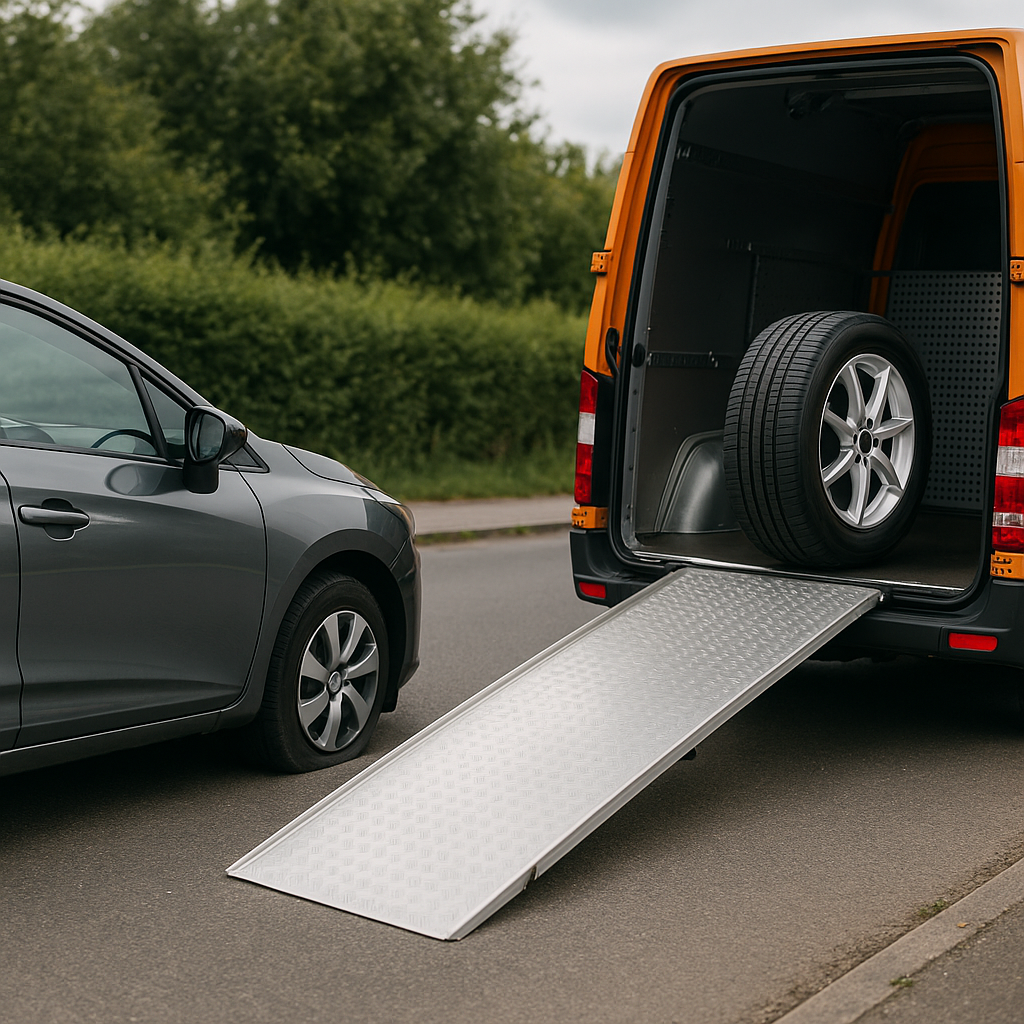
Recovery operators respond promptly to breakdowns, accidents, or immobilised vehicles. Fast intervention reduces exposure to roadside hazards and unsafe conditions.
Traffic Hazard Management
Operators manage traffic flow using cones, hazard lights, and signage. Controlled recovery reduces the risk of secondary collisions and protects both drivers and recovery personnel.
Safe Vehicle Handling
Specialised equipment, including flatbeds, wheel-lifts, and winches, ensures vehicles are moved without additional mechanical or body damage. Proper handling prevents costly repairs and extends vehicle life.
Off-Road and Difficult Terrain Recovery
Vehicles stranded in ditches, mud, or uneven terrain are recovered using controlled extraction methods. Risk to drivers and passengers is minimised compared to self-recovery attempts.
Rapid Transport to Repair or Safe Location
Recovery services transport vehicles to repair shops, storage, or home safely and efficiently. Minimised downtime ensures drivers regain mobility quickly.
Long-Distance and Fleet Efficiency
Fleet operators benefit from scheduled and emergency recovery, reducing business disruption. Efficient recovery maintains operational continuity and limits revenue loss.
Insurance and Documentation Support
Operators provide detailed recovery reports for insurance and claims purposes. Proper documentation speeds up claim processing and avoids disputes.
Why Are Professional Vehicle Recovery Services Essential
Professional vehicle recovery services are essential because they provide safe, efficient, and reliable solutions for breakdowns, accidents, and vehicle transportation across the UK. Trained operators use specialised equipment, adhere to legal and safety standards, and handle vehicles carefully to prevent damage. Professional recovery reduces driver risk, minimises downtime, and ensures compliance with insurance and regulatory requirements. Their expertise covers a wide range of vehicle types, terrains, and recovery scenarios, making them indispensable for both private drivers and commercial fleets.
Expert Handling of Vehicles
Operators have experience in moving cars, motorcycles, vans, and commercial vehicles safely. Correct lifting, loading, and securing techniques prevent mechanical and cosmetic damage.
Rapid Response and Availability
Professional recovery teams provide 24/7 support for emergencies and scheduled recoveries. Prompt assistance reduces the impact of vehicle immobilisation on drivers and businesses.
Legal and Safety Compliance
Operators follow Road Traffic Act, Health and Safety, and local authority regulations. Compliance ensures legal protection for drivers, passengers, and recovery personnel.
Use of Specialised Equipment
Flatbeds, wheel-lifts, winches, and trailers are used based on vehicle type and location. Equipment selection ensures secure and damage-free recovery.
Coverage for All Vehicle Types
Services extend to cars, motorcycles, vans, HGVs, and fleet vehicles. Tailored recovery solutions meet diverse vehicle requirements and operational needs.
Minimized Driver Stress and Risk
Professional teams manage roadside hazards, traffic control, and safe transport. Drivers are protected from potential accidents and secondary risks.
Insurance and Claim Support
Recovery operators provide documentation and condition reports for insurance claims. Proper records simplify compensation processes and reduce disputes.
Summing Up
Vehicle recovery services in the UK are vital for ensuring driver safety, reducing downtime, and providing reliable transport for all types of vehicles. Whether responding to a breakdown, accident, or long-distance relocation, professional operators use specialised equipment, legal compliance, and safety protocols to protect vehicles, passengers, and road users.
Rapid response and expert handling minimise risks associated with roadside hazards, off-road incidents, and traffic congestion. Vehicles are stabilised, securely loaded, and transported using flatbeds, wheel-lifts, and winches, ensuring mechanical and structural integrity.
Recovery costs are influenced by vehicle type, distance, location, urgency, and additional services, while insurance and membership plans can reduce out-of-pocket expenses. Regional factors, such as urban density or rural accessibility, impact response times and service availability.
By following strict legal, safety, and operational standards, recovery services maintain compliance, support insurance claims, and provide peace of mind. Professional services also enhance fleet efficiency, reduce business disruption, and allow drivers to focus on essential next steps.