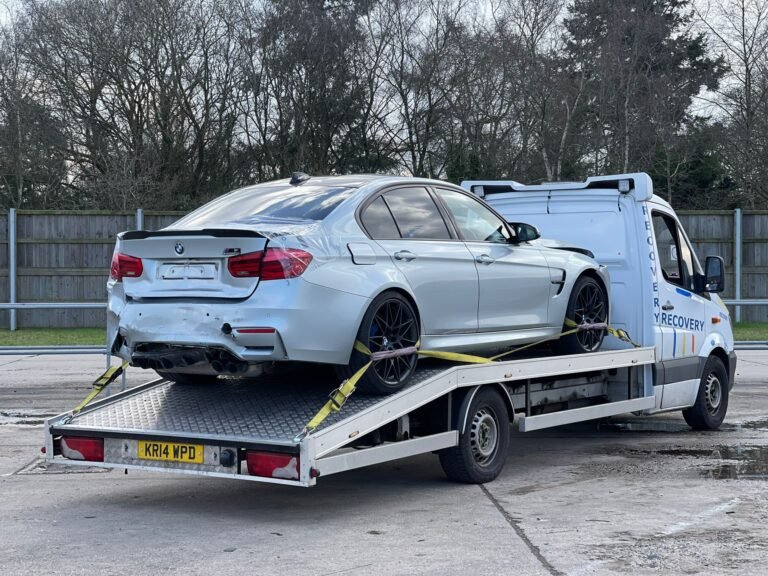
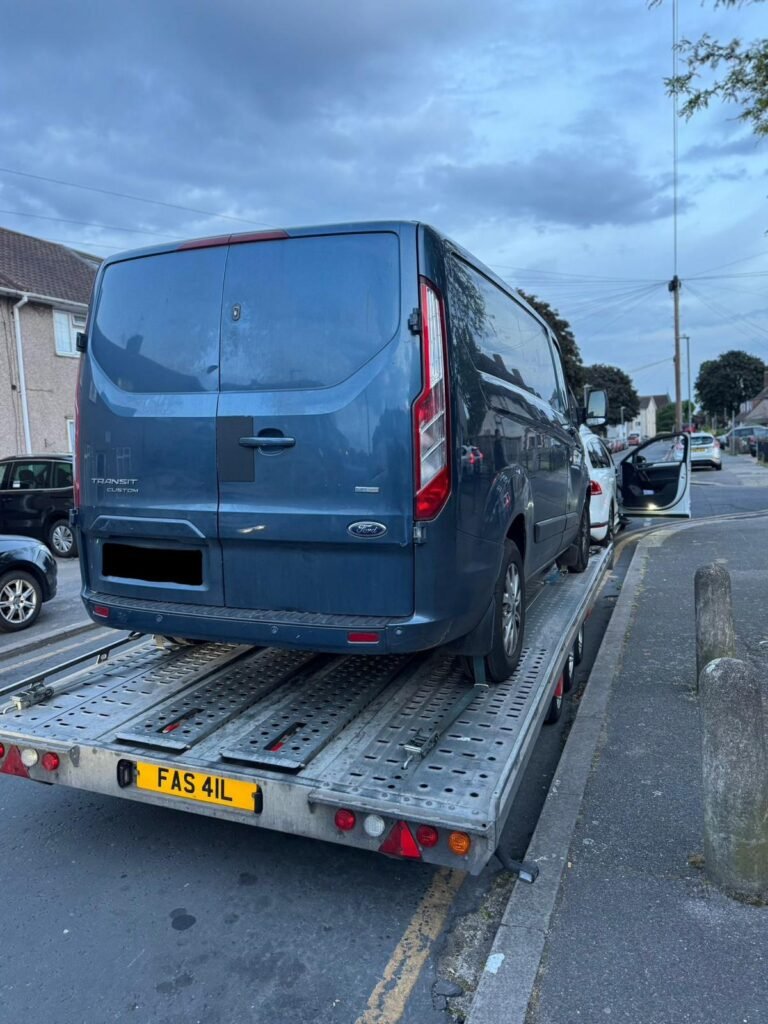
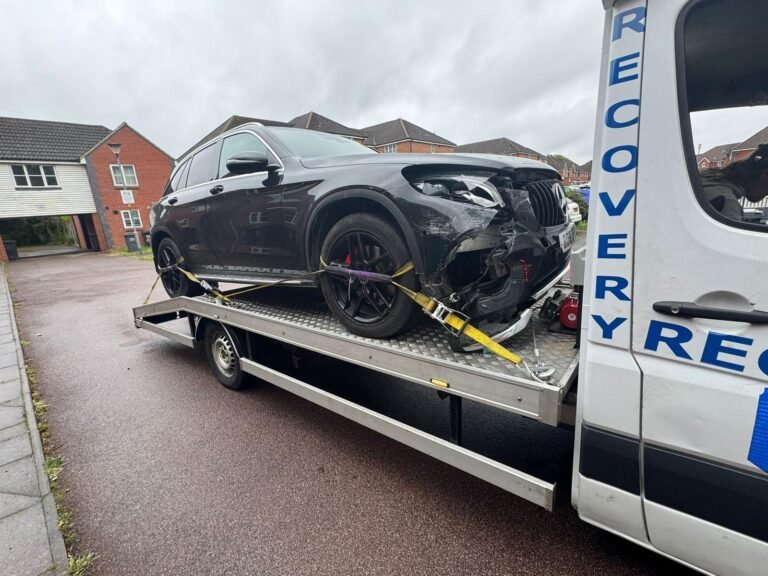
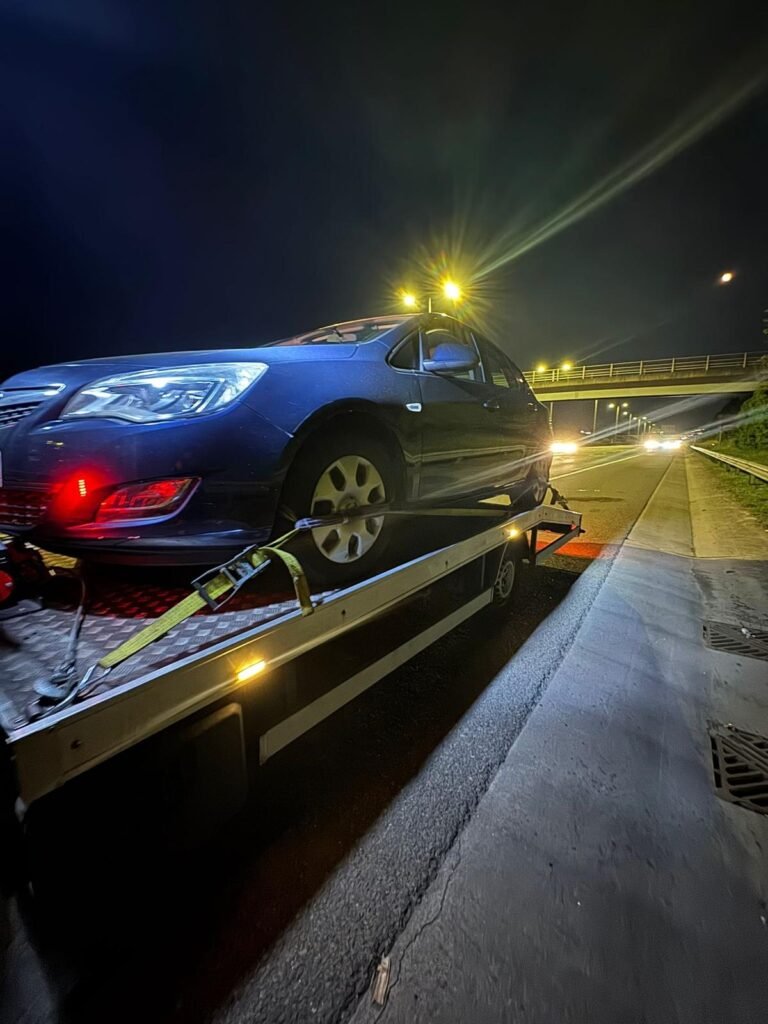
Vehicle recovery services play a crucial role in keeping drivers safe and vehicles protected across the UK. Whether it’s a minor roadside breakdown, a major accident, an off-road extraction, or long-distance transport, professional recovery ensures that drivers, passengers, and other road users remain secure while the vehicle is efficiently retrieved and transported.
Safety is the cornerstone of all vehicle recovery operations. Professional recovery teams use specialised equipment such as flatbeds, wheel-lifts, and winches, along with protective gear like high-visibility clothing, gloves, and wheel chocks, to minimise risks. Proper vehicle positioning, adherence to UK road regulations, and careful handling prevent further damage and reduce the chance of accidents during recovery.
The recovery process can be complicated by factors such as vehicle type, size, weight, condition, road conditions, and weather. Commercial vehicles, motorcycles, off-road vehicles, or accident-damaged cars require tailored techniques and equipment to ensure safe and effective recovery. Recovery costs and pricing are influenced by service type, distance, urgency, and any additional requirements such as emergency call-outs, specialist tools, or adverse conditions. Insurance coverage and breakdown plans can offset these costs, while careful planning and communication with recovery teams help reduce delays and unnecessary fees.
Drivers can also take proactive steps to enhance safety and efficiency. Staying in a safe location, using hazard warnings, communicating clearly with the recovery team, and maintaining the vehicle regularly all contribute to a smoother recovery experience. By understanding the risks, precautions, and professional practices involved, UK drivers can ensure that vehicle recovery is handled safely, efficiently, and cost-effectively, providing peace of mind in every situation.
Why Is Safety Important During Vehicle Recovery Services?
Safety is the most critical aspect of vehicle recovery. Professional recovery teams ensure both drivers and vehicles are protected while minimising risks on busy UK roads. Understanding the importance of safety helps drivers make informed decisions when selecting a recovery service.
Protecting Drivers and Passengers
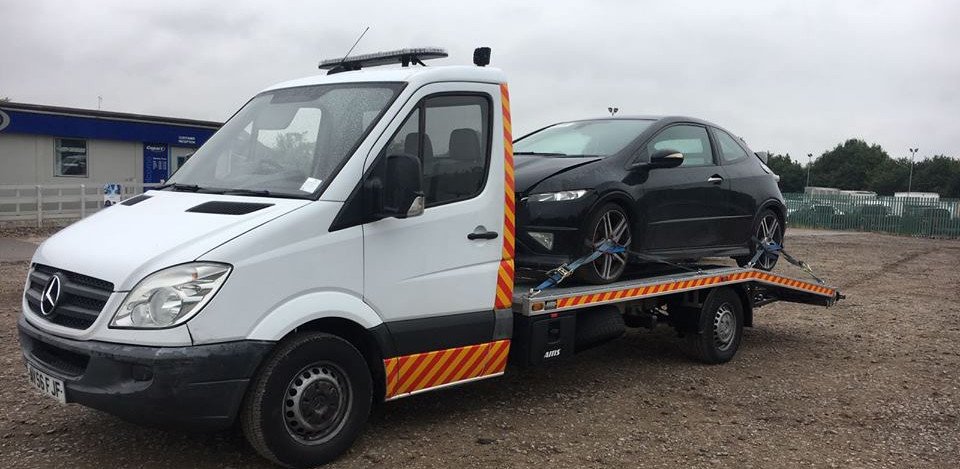
Breakdowns and accidents often leave vehicles stranded on busy roads or motorways. Recovery teams prioritise the safety of everyone involved, ensuring drivers and passengers remain secure while the vehicle is attended to.
Preventing Further Vehicle Damage
Improper handling during recovery can worsen mechanical or structural damage. Trained professionals use the correct equipment and techniques to prevent additional costs and maintain vehicle integrity.
Handling Hazardous Locations
Vehicles may break down in dangerous spots, such as narrow lanes, busy junctions, or off-road terrain. Recovery specialists are trained to operate safely in high-risk environments, reducing the chance of secondary accidents.
Using Proper Equipment
Safety relies on using the right recovery vehicles and tools. Flatbeds, winches, wheel lifts, and straps are used according to vehicle type and situation, ensuring secure lifting and transportation.
Compliance with UK Road Regulations
Professional recovery services follow UK highway regulations and safety standards, including traffic management, hazard signalling, and secure vehicle handling, ensuring both legal compliance and safety.
Emergency Situations
In emergencies, speed and safety are equally important. Recovery teams are trained to act quickly without compromising protocols, protecting lives and property.
Peace of Mind for Drivers
Choosing a professional, safety-conscious recovery service gives drivers confidence that their vehicle will be recovered efficiently and securely, reducing stress during breakdowns or accidents.
What Are the Key Risks Involved in Vehicle Recovery?
Vehicle recovery involves a range of potential risks that can affect drivers, passengers, and recovery operators. Understanding these risks highlights why professional expertise and proper safety measures are essential during any recovery operation.
Risk of Traffic Collisions
Recovering a vehicle on busy roads, motorways, or narrow streets exposes drivers and operators to the risk of secondary accidents if the scene is not properly managed.
Vehicle Damage During Recovery
Incorrect lifting, towing, or securing can cause additional damage to the vehicle, including scratches, dents, or mechanical issues, increasing repair costs.
Personal Injury
Manual handling, winching, or operating heavy recovery equipment can result in injury if proper safety protocols are not followed.
Hazards from Off-Road Recovery
Vehicles stuck in mud, sand, ditches, or steep terrain pose additional risks. Slips, unstable ground, or equipment failure can endanger operators and the vehicle itself.
Equipment Failure
Using the wrong recovery tools or poorly maintained equipment can result in accidents, dropped vehicles, or further damage during recovery.
Environmental Risks
Weather conditions such as rain, snow, ice, or flooding increase the likelihood of slips, reduced visibility, and vehicle instability, making recovery more hazardous.
Legal and Insurance Implications
Failure to follow UK highway safety regulations or improper recovery practices can lead to liability issues, fines, or insurance claim complications.
How Should Drivers Stay Safe While Waiting for Recovery?
Even before a professional recovery team arrives, drivers can take important steps to protect themselves, passengers, and their vehicle. Following proper safety measures reduces risks on UK roads and ensures a smoother recovery process.
Move to a Safe Location
If possible, pull the vehicle onto a hard shoulder, lay-by, or quiet road. Avoid stopping on bends, narrow lanes, or busy intersections where visibility is limited.
Turn on Hazard Lights
Activate hazard lights immediately to alert other road users. Use warning triangles at a safe distance behind the vehicle if conditions allow, following UK Highway Code guidelines.
Stay Inside or in a Safe Zone
Remain inside the vehicle if it is safe, especially on busy roads or motorways. If exiting, move to a safe area away from traffic, such as behind barriers or off the carriageway.
Avoid Taking Risks
Do not attempt to fix major mechanical issues on busy roads. Improvised repairs or pushing the vehicle can increase the risk of accidents or injury.
Communicate Clearly with Recovery Teams
Provide accurate information about your location, vehicle type, and condition. This allows the recovery team to bring the right equipment and arrive prepared.
Keep Passengers and Pets Safe
Ensure all passengers, including children and pets, are kept away from the roadway and secured in a safe position while waiting for recovery.
Stay Visible in Poor Conditions
In low light, fog, rain, or snow, wear high-visibility clothing if you need to leave the vehicle. This helps other drivers see you and reduces the risk of accidents.
What Precautions Should Be Taken When Your Vehicle Is on the Roadside?
When your vehicle breaks down or stops on the roadside, taking the right precautions is essential to protect yourself, passengers, and other road users. Proper measures minimise accidents and ensure a safe recovery process.
Secure Your Vehicle
Engage the handbrake and, if possible, put the vehicle in gear or park mode. This prevents unintended movement, especially on slopes or uneven surfaces.
Activate Hazard Lights
Turn on hazard warning lights immediately to alert approaching drivers. This is a legal requirement in the UK and helps prevent collisions.
Use Warning Triangles Correctly
Place a warning triangle at a safe distance behind your vehicle—usually around 45 metres on normal roads and further on motorways—to warn other road users.
Stay Off the Carriageway
If safe, move yourself and passengers away from the road. Stand behind barriers or on a footpath, keeping a safe distance from traffic.
Avoid Attempting Dangerous Repairs
Do not try to repair mechanical issues in heavy traffic or on busy roads. Attempting roadside fixes can increase the risk of injury or further damage.
Maintain Visibility
In low-light or poor weather conditions, wear high-visibility clothing and keep hazard lights on. This ensures other drivers see you and reduces the chance of accidents.
Keep Emergency Contacts Ready
Have recovery service numbers, insurance information, and local emergency contacts easily accessible. Prompt communication speeds up professional assistance.
How Do Recovery Professionals Ensure Safety During Vehicle Towing?
Professional vehicle recovery teams follow strict safety protocols to protect drivers, passengers, and other road users during towing operations. Their expertise, training, and specialised equipment minimise risks and ensure vehicles are transported securely.
Proper Vehicle Assessment
Before towing begins, recovery professionals assess the vehicle’s condition, including mechanical issues, weight, and stability. This evaluation determines the safest method and equipment for transport.
Using the Right Towing Equipment
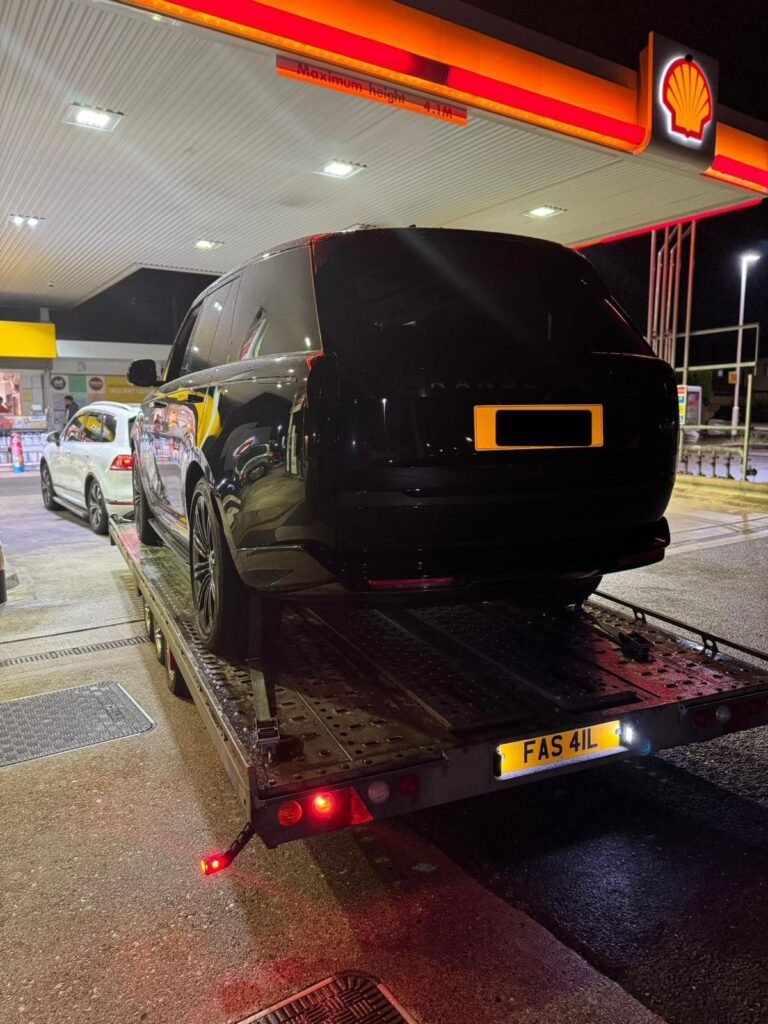
Recovery teams use flatbeds, wheel-lift systems, or heavy-duty tow trucks depending on the vehicle type and condition. The correct equipment reduces the risk of damage and ensures safe handling.
Secure Attachment Techniques
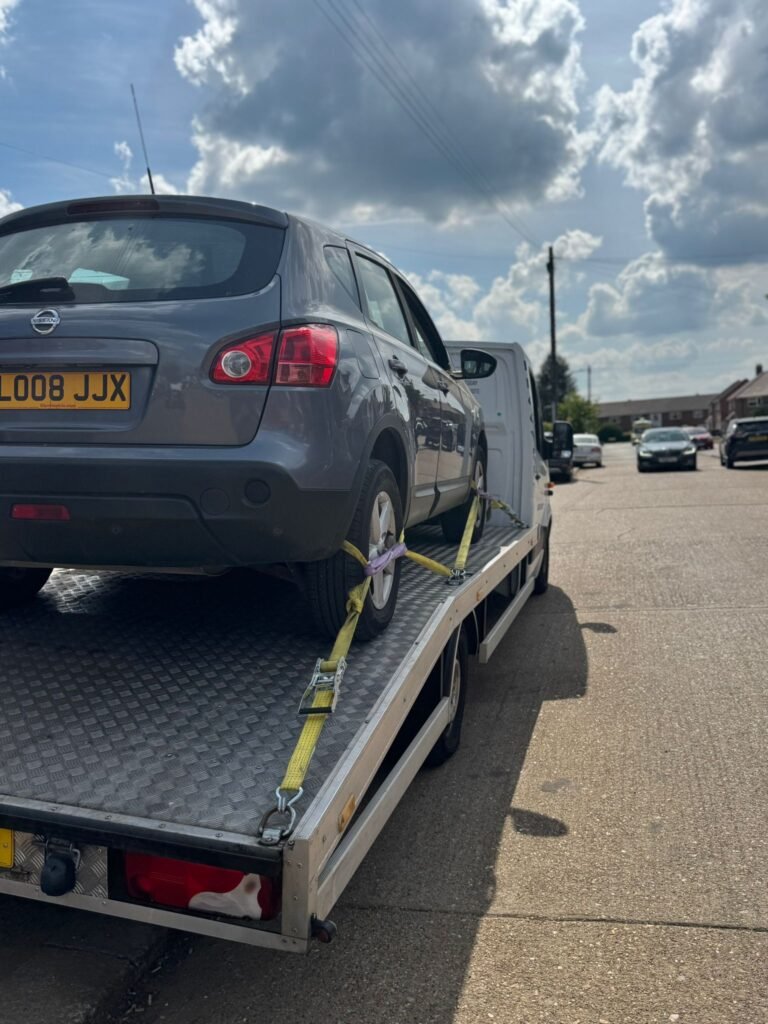
Straps, chains, and clamps are used to secure vehicles properly. Professionals follow strict guidelines to prevent slippage, tipping, or other hazards during transit.
Compliance with UK Road Safety Regulations
Recovery operators adhere to UK highway laws, including proper lighting, signage, and signalling. This ensures the recovery process is visible and legal, protecting both the vehicle and surrounding traffic.
Managing Traffic and Road Conditions
Trained teams position vehicles and recovery trucks safely, often using cones or hazard warnings. They account for weather, road surface, and surrounding traffic to prevent accidents during towing.
Speed and Driving Protocols
Recovery drivers follow controlled speeds and safe braking distances, particularly with heavy or unstable loads, to prevent accidents or additional damage.
Experienced Personnel
All recovery operations are conducted by trained professionals who understand vehicle dynamics, towing techniques, and emergency procedures, ensuring consistent safety standards.
What Protective Equipment Is Recommended During Vehicle Recovery?
Using the right protective equipment during vehicle recovery is essential to ensure the safety of both recovery personnel and drivers. Proper gear minimises injury risk, ensures compliance with UK safety standards, and allows recovery operations to proceed efficiently.
High-Visibility Clothing
Hi-vis jackets, vests, or trousers make operators and drivers clearly visible to other road users, especially on motorways, busy roads, or in low-light conditions.
Safety Gloves
Heavy-duty gloves protect hands when handling chains, straps, winches, or vehicle parts. They reduce the risk of cuts, burns, or crushing injuries during recovery operations.
Hard Hats
For off-road or complex recovery situations where debris or unstable vehicles may pose a risk, hard hats protect against head injuries.
Protective Footwear
Steel-toe boots or reinforced footwear ensure foot safety when working around heavy vehicles, lifting equipment, or uneven terrain.
Eye Protection
Safety goggles or glasses shield eyes from dust, debris, or fluid splashes during towing, winching, or lifting operations.
Wheel Chocks and Stabilising Equipment
Wheel chocks, wedges, and stabilising tools prevent vehicles from rolling or shifting unexpectedly, ensuring secure recovery and reducing the risk of accidents.
Cones, Warning Triangles, and Road Signs
Traffic management tools such as cones and warning triangles protect both operators and other road users, marking the recovery zone clearly in line with UK Highway Code regulations.
How Should Vehicles Be Positioned for Safe Recovery?
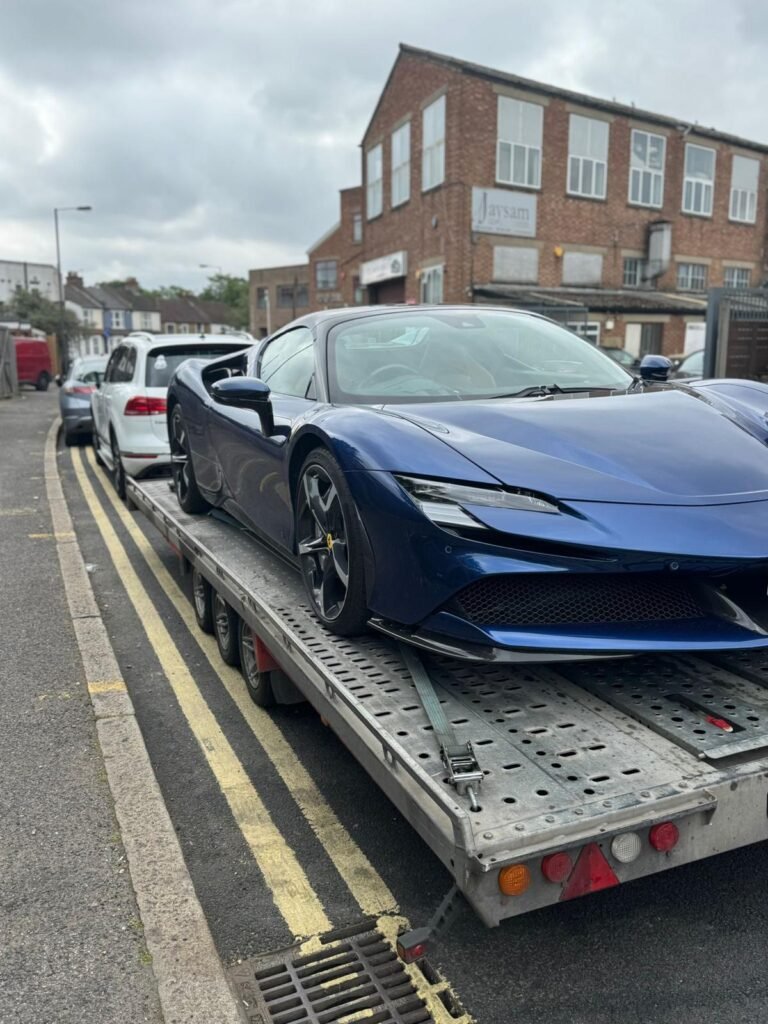
Proper vehicle positioning is critical for a safe and efficient recovery process. Correct alignment reduces the risk of accidents, vehicle damage, and injury to operators or passengers during towing or winching operations.
Position on a Stable Surface
Whenever possible, the vehicle should be moved onto a flat, stable surface. Avoid slopes, soft ground, or uneven terrain, which can cause the vehicle to roll or shift unexpectedly.
Keep Distance from Traffic
Position the vehicle as far from live traffic as possible. Use lay-bys, hard shoulders, or wide verges to minimise exposure to passing vehicles.
Align for Towing
Recovery professionals ensure the vehicle is correctly aligned with the tow truck or flatbed. Proper alignment prevents strain on towing equipment and reduces the risk of slippage during transport.
Wheel Orientation
Depending on the recovery method, wheels may need to be straight or locked in position. This stabilises the vehicle for towing or winching and prevents sudden movement.
Use Wheel Chocks
Wheel chocks or wedges are placed strategically to prevent rolling, especially on inclines or uneven surfaces. This is a key safety measure in UK vehicle recovery practices.
Consider Vehicle Weight and Load
Heavier vehicles or those carrying cargo may need additional support or adjustment in positioning. Professionals account for weight distribution to prevent tipping or shifting during recovery.
Off-Road and Difficult Terrain Positioning
Vehicles stuck in mud, sand, or ditches require specialised positioning for safe winching. Recovery teams carefully calculate anchor points and towing angles to avoid damage or accidents.
How Can Weather and Road Conditions Affect Recovery Safety?
Weather and road conditions play a significant role in vehicle recovery safety. Wet, icy, or uneven surfaces increase the risks for both drivers and recovery operators. Understanding these factors allows professionals to plan and execute recoveries safely across the UK.
Rain and Wet Roads
Rain reduces tyre grip and increases stopping distances. Recovery teams adjust towing speed, braking, and vehicle handling to prevent skidding or collisions.
Snow and Ice
Snow and icy roads can make towing or winching operations hazardous. Recovery operators use specialised equipment and traction aids to stabilise vehicles and ensure controlled movements.
Fog and Low Visibility
Fog or heavy rain limits visibility for both drivers and recovery teams. High-visibility clothing, hazard lights, cones, and warning triangles are essential to prevent accidents.
Flooded or Waterlogged Areas
Recovering vehicles in flooded or waterlogged conditions requires extra caution. Professionals assess water depth, ground stability, and vehicle risk before attempting extraction.
Uneven or Off-Road Terrain
Mud, sand, ditches, and gravel can destabilise vehicles during recovery. Recovery teams carefully position vehicles, use winches, and secure anchor points to maintain safety.
Strong Winds
High winds can affect vehicle stability, especially for high-sided vehicles or flatbeds. Operators adjust towing angles and secure vehicles tightly to reduce movement.
Road Surface Hazards
Potholes, loose gravel, oil spills, or construction zones increase recovery complexity. Professionals assess and plan routes to avoid additional hazards during towing.
What Are Common Mistakes to Avoid During Vehicle Recovery?
Even minor errors during vehicle recovery can lead to injury, vehicle damage, or delays. Understanding common mistakes helps drivers and recovery teams maintain safety and efficiency on UK roads.
Attempting DIY Recovery
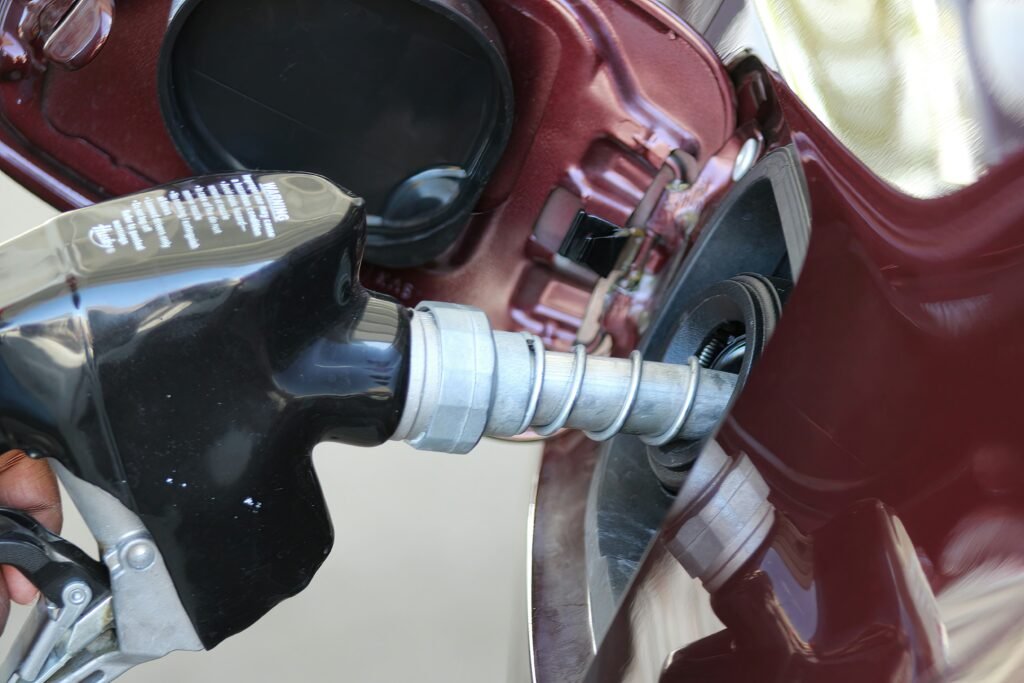
Trying to tow, push, or extract a vehicle without proper equipment or expertise can cause accidents or worsen damage. Always call a professional recovery service for complex situations.
Ignoring Hazard Warnings
Failing to use hazard lights, warning triangles, or cones puts drivers, passengers, and other road users at risk. Proper signalling is crucial for roadside safety.
Improper Vehicle Positioning
Vehicles left on slopes, uneven ground, or too close to traffic increase the risk of rolling, sliding, or collisions during recovery.
Using the Wrong Equipment
Incorrect straps, chains, or towing devices can fail during the operation. Professional equipment appropriate for the vehicle type and weight is essential.
Skipping Safety Gear
Not wearing high-visibility clothing, gloves, or protective footwear exposes operators and drivers to unnecessary hazards, particularly in low-light or off-road conditions.
Rushing the Recovery Process
Hasty recovery attempts, especially during emergencies, increase the risk of mistakes, collisions, or vehicle damage. Controlled, step-by-step procedures are critical.
Neglecting Weather and Road Conditions
Ignoring adverse weather, ice, wet surfaces, or uneven terrain can make recovery dangerous. Professionals adjust techniques to account for conditions.
How Can You Prepare for a Safe and Efficient Vehicle Recovery Experience?
Preparation plays a key role in ensuring vehicle recovery is both safe and efficient. Drivers who take the right precautions minimise risks, reduce delays, and help recovery teams work effectively.
Keep Emergency Contacts Handy
Store the contact numbers of your chosen vehicle recovery service, insurance provider, and roadside assistance in your phone or vehicle for quick access.
Know Your Vehicle Details
Have important information ready, including vehicle make, model, registration, and current condition. This allows recovery teams to bring appropriate equipment.
Maintain Vehicle Condition
Regular servicing, tyre checks, battery maintenance, and fluid levels reduce the likelihood of breakdowns and make recovery operations smoother if an incident occurs.
Equip Your Vehicle for Safety
Carry warning triangles, a hi-vis jacket, a torch, and basic first-aid supplies. These items enhance your safety while waiting for recovery, especially on busy roads.
Choose Reputable Recovery Providers
Select professional providers with proper training, modern equipment, and positive reviews. This ensures safe handling and reduces the risk of errors or vehicle damage.
Communicate Clearly with Recovery Teams
Provide accurate location details, including nearby landmarks, road names, or GPS coordinates. Clear communication speeds up response times and ensures the right tools are deployed.
Understand Weather and Road Risks
Check local weather conditions and road closures before travel. Awareness of potential hazards allows you to take preventive measures and plan for safer recovery if needed.
Summing Up
Vehicle recovery services are an essential support system for drivers across the UK, providing safety, efficiency, and peace of mind in the event of breakdowns, accidents, off-road incidents, or long-distance transportation needs. Professional recovery teams combine training, specialised equipment, and strict adherence to UK road safety regulations to protect both vehicles and people during every stage of the recovery process.
Costs and pricing depend on multiple factors, including the type of service, distance, vehicle size and weight, complexity of the recovery, and urgency. Additional fees may apply for specialist equipment, emergency or after-hours call-outs, difficult terrain, or adverse weather conditions. Insurance coverage and breakdown plans can help offset these expenses, while careful planning, clear communication, and proactive precautions by drivers ensure a smoother, safer, and more cost-effective experience.
By understanding the risks, safety measures, and best practices associated with vehicle recovery, drivers can make informed choices, avoid common mistakes, and ensure their vehicle is handled efficiently and securely. Ultimately, professional vehicle recovery not only restores mobility but also provides confidence and reassurance on every journey across the UK.