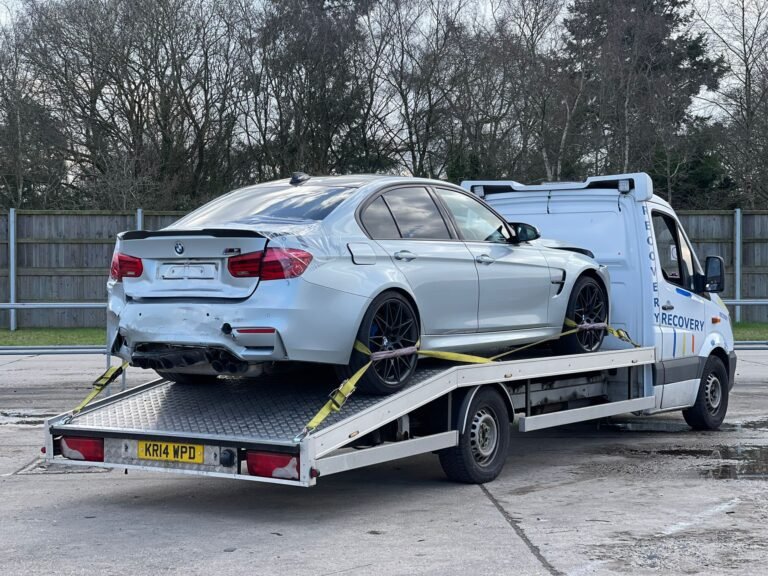
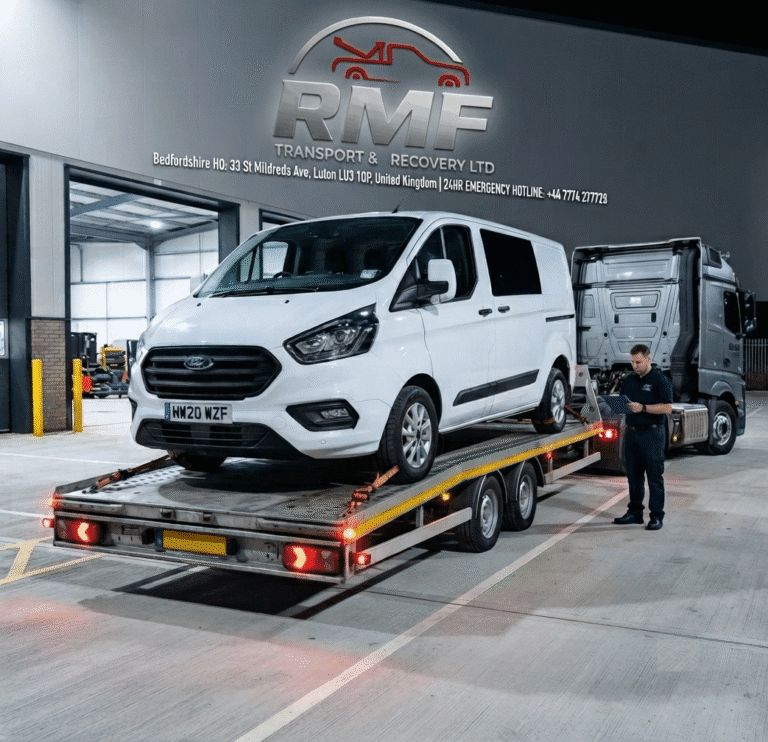
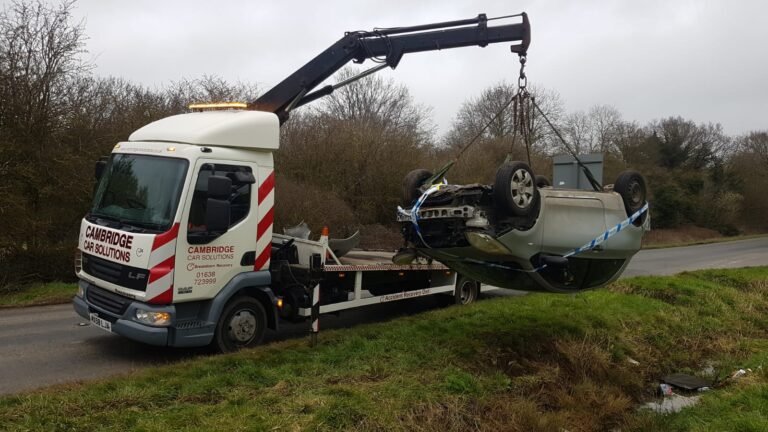
Vehicle recovery can be required for a wide range of situations, from minor roadside breakdowns and tyre replacements to major accidents, off-road extractions, long-distance towing, or specialist commercial vehicle recoveries. Each scenario carries its own cost implications depending on service type, distance, vehicle size, and complexity.
Pricing is influenced by multiple factors, including the type of recovery service needed, whether it’s a simple roadside fix, tow truck transport, accident recovery, or long-distance haul. Vehicle characteristics such as size, weight, and modifications can affect equipment requirements and labour, while the condition of the vehicle—whether stuck, off-road, or damaged—adds complexity and cost.
Other important considerations include time and urgency. Emergency or after-hours services, weekend or public holiday call-outs, and rapid-response requests typically come with higher fees. Additional charges may also apply for winching, specialist equipment, storage, or recovery from hard-to-access locations. Insurance policies and breakdown cover can significantly reduce or even eliminate some of these costs, while subscription or membership plans may offer cost-efficient options for frequent users.
By understanding these pricing factors and choosing the right provider, UK drivers can make informed decisions, minimise unexpected expenses, and ensure their vehicles are recovered safely, efficiently, and with professional expertise. This article breaks down the key elements that determine vehicle recovery costs and provides practical guidance for managing expenses while maintaining peace of mind on the road.
What Determines the Cost of Vehicle Recovery Services?
The cost of vehicle recovery services in the UK can vary depending on several key factors. Understanding what influences pricing helps drivers and businesses make informed decisions while avoiding unexpected expenses.
Type of Recovery Service Required
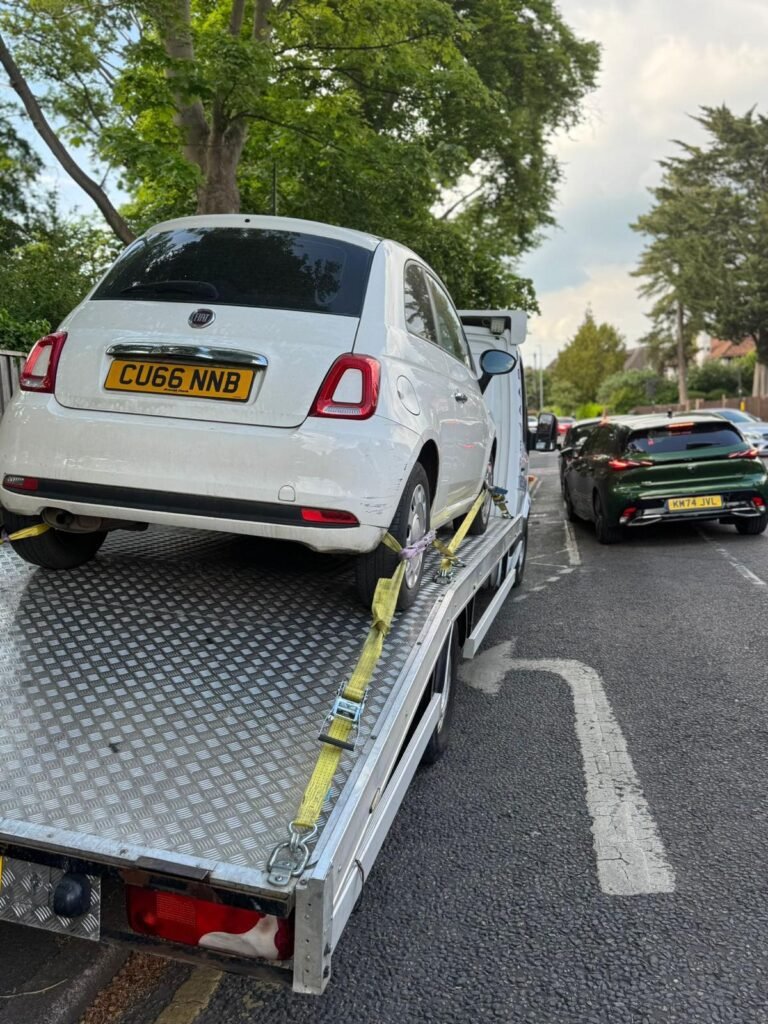
The kind of service you need plays a major role in pricing. Roadside assistance is generally more affordable, while tow truck recovery, accident recovery, or long-distance transport typically cost more due to equipment and labour involved.
Distance and Location
Recovery costs often depend on how far the vehicle needs to be transported. Local recovery within a short radius is usually cheaper, while long-distance vehicle recovery across cities or regions increases the overall cost. Remote or rural locations may also result in higher charges due to accessibility.
Vehicle Type and Size
Larger or heavier vehicles such as vans, lorries, or commercial fleet vehicles require specialised equipment and handling. This increases the cost compared to standard car recovery services.
Condition of the Vehicle
The condition of the vehicle affects the complexity of the recovery. Vehicles involved in accidents, overturned cars, or those stuck off-road may require additional equipment like winches or cranes, which can increase pricing.
Time and Urgency of Service
Emergency or out-of-hours recovery, such as late-night, weekend, or holiday callouts, may come with higher fees. Faster response or priority services can also impact the total cost.
Type of Equipment Needed
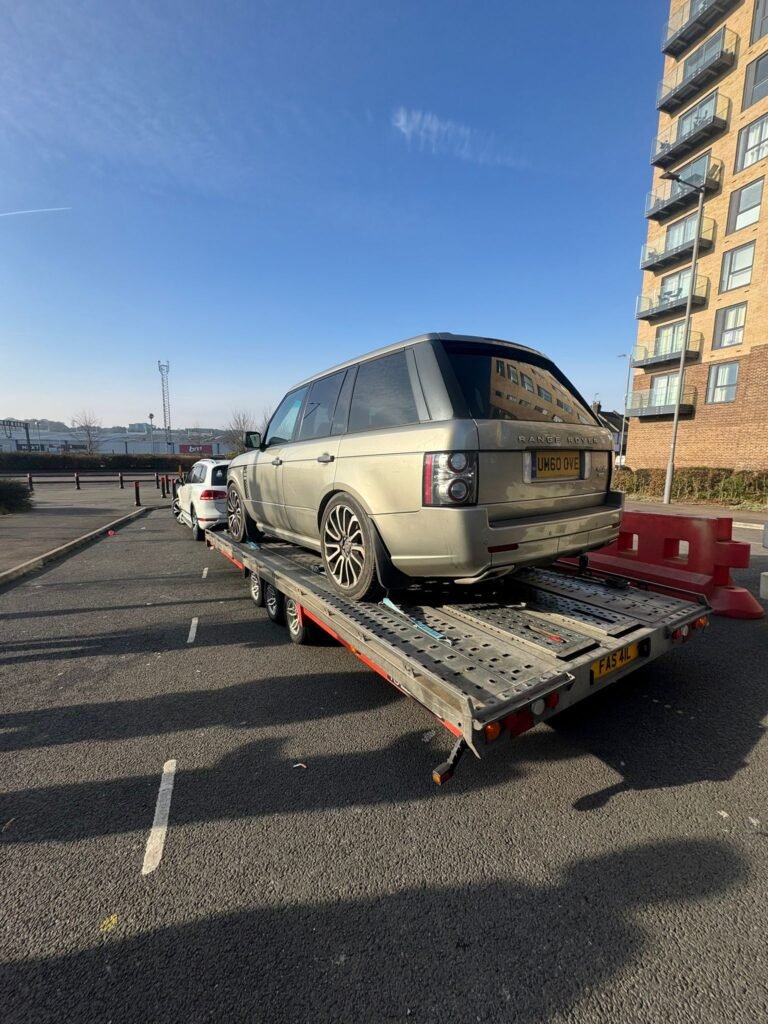
Different recovery situations require different tools, such as flatbed trucks, wheel-lift systems, or heavy-duty recovery vehicles. The more specialised the equipment, the higher the service cost.
Insurance and Breakdown Cover
If you have breakdown cover or insurance that includes recovery, some or all of the costs may be covered. Without coverage, drivers will need to pay the full cost, which varies depending on the provider and service type.
How Much Does Vehicle Recovery Typically Cost?
Vehicle recovery costs in the UK can vary depending on the type of service, distance, vehicle condition, and time of call-out. While prices are not fixed, understanding typical cost ranges helps drivers and businesses plan ahead and avoid unexpected expenses.
Standard Call-Out Charges
Most vehicle recovery services include a base call-out fee for attending the breakdown. This usually ranges from £75 to £150, depending on location and provider.
Cost for Basic Roadside Assistance
Simple roadside services, such as battery jump-starts, tyre changes, or minor fixes, are generally more affordable. These services typically cost between £40 and £100.
Local Towing and Recovery Prices
Short-distance recovery, often within a local radius, usually costs between £80 and £150. This may include a limited number of miles, with additional mileage charged separately.
Per-Mile Charges for Towing
Many recovery providers charge per mile after the initial distance. Rates generally range from £1 to £3 per mile, depending on the vehicle type and service provider.
Long-Distance Recovery Costs
For longer journeys, such as transporting a vehicle across cities or regions, prices can range from £200 to £500 or more, depending on the total distance and complexity of the job.
Specialist and Accident Recovery Costs
More complex recoveries, including accident-damaged vehicles, off-road recovery, or heavy vehicles, often cost £150 to £300+, as they require specialised equipment and expertise.
What Pricing Models Do Vehicle Recovery Companies Use?
Vehicle recovery companies in the UK use different pricing models depending on the type of service, distance, and level of coverage required. Understanding these pricing structures helps drivers and businesses choose the most cost-effective and suitable option.
Fixed Call-Out Pricing
Many recovery providers charge a fixed call-out fee for attending a breakdown. This typically covers the initial visit, basic assessment, and sometimes a short-distance recovery, making it a straightforward pricing option.
Pay-As-You-Go Services
Pay-as-you-go pricing is common for one-off recovery needs. Drivers only pay for the service they use, including call-out charges, labour, and mileage. This model is ideal for those without breakdown cover.
Per-Mile Charging
In addition to the call-out fee, many companies apply a per-mile rate for towing or transporting the vehicle. This model is often used for longer journeys and ensures pricing reflects the total distance covered.
Hourly Labour Rates
Some recovery services charge based on the time required to complete the job. This is more common in complex recoveries, such as accident scenes or off-road extractions, where the duration can vary significantly.
Subscription or Breakdown Cover Plans
Many providers offer annual breakdown cover plans. Customers pay a fixed yearly fee, which includes services like roadside assistance, towing, and sometimes nationwide recovery. This model provides predictable costs and added peace of mind.
Tiered Service Packages
Some companies provide tiered pricing plans, ranging from basic roadside assistance to comprehensive recovery packages. Higher-tier plans may include benefits such as long-distance recovery, home start, or priority response.
How Does Distance Affect Vehicle Recovery Pricing?
Distance is one of the most significant factors influencing vehicle recovery costs in the UK. The further a vehicle needs to be transported, the higher the overall price due to fuel, time, and operational requirements. Understanding how distance impacts pricing helps drivers estimate costs more accurately.
Local vs Long-Distance Recovery
Short-distance or local recovery services are generally more affordable, often covering a limited radius from the breakdown location. In contrast, long-distance recovery involves extended travel, increasing both labour and fuel costs.
Per-Mile Charging Structure
Most recovery companies apply a per-mile rate after the initial call-out. This ensures that pricing reflects the actual distance travelled, making longer journeys significantly more expensive than local recoveries.
Minimum Distance Charges
Some providers include a minimum mileage or base distance within their call-out fee. Even if the vehicle is transported a short distance, a minimum charge may still apply.
Impact of Remote or Rural Locations
Recoveries in rural or hard-to-reach areas can increase costs, even over shorter distances. Limited access, longer travel times, and fewer nearby providers often result in higher pricing.
Return Journey Considerations
In many cases, recovery companies factor in the return journey when calculating costs. This means the total mileage charged may include both the trip to the destination and the return to base.
Long-Distance Transport Planning
For long-distance recovery, providers may plan routes, schedules, and logistics in advance. While this ensures safe and efficient transport, it can also increase pricing due to time and resource allocation.
How Does Vehicle Type and Size Influence Recovery Costs?
The type and size of a vehicle play a major role in determining vehicle recovery costs in the UK. Larger, heavier, or more specialised vehicles require different handling, equipment, and expertise, which directly impacts pricing.
Standard Cars vs Larger Vehicles
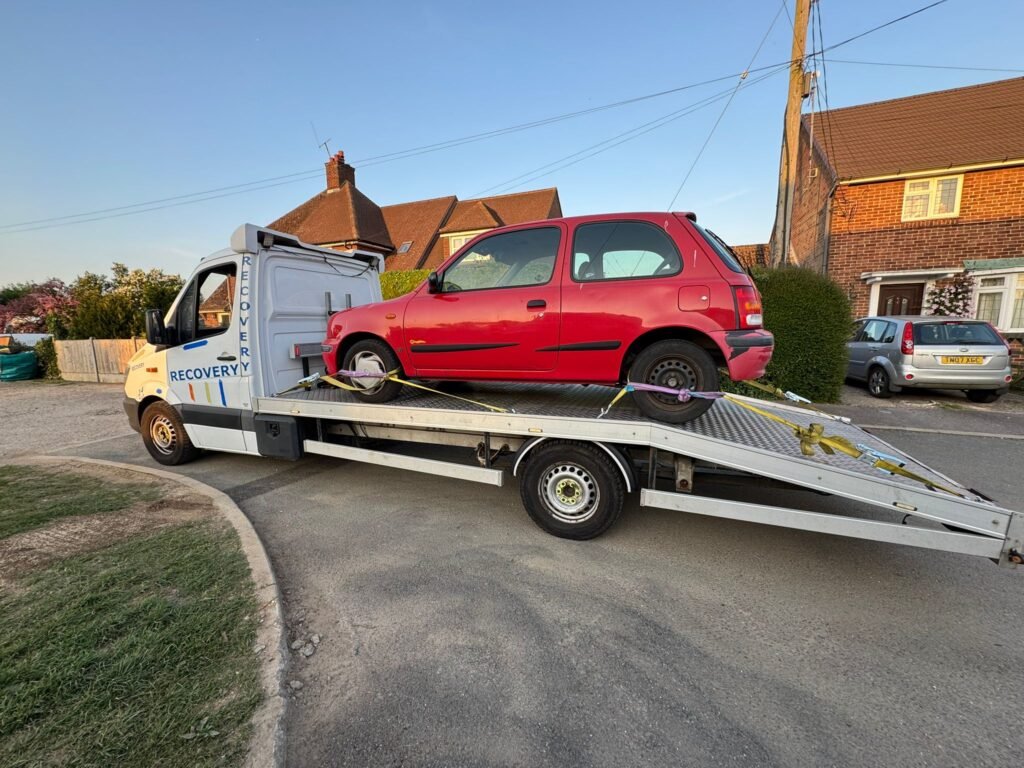
Smaller vehicles like standard cars are generally cheaper to recover because they are easier to tow and require less specialised equipment. In contrast, vans, minibuses, and larger vehicles increase costs due to their size and weight.
Commercial and Fleet Vehicles
Commercial vehicles, including delivery vans and trucks, often require heavy-duty recovery equipment. Their size and operational importance mean recovery services may also prioritise speed, which can further influence pricing.
Weight and Load Considerations
Heavier vehicles place more strain on recovery equipment and require more powerful tow trucks or flatbeds. Additional weight, especially if the vehicle is carrying goods, can increase the overall cost.
Specialist Vehicles and Modifications
Vehicles with modifications, such as lowered suspension, body kits, or custom builds, may require extra care and specific equipment. This can lead to higher recovery charges due to the increased complexity.
Motorcycles and Lightweight Vehicles
Motorcycles are lighter but require specialised handling and securing methods. While they may cost less in some cases, improper equipment can risk damage, so specialist recovery services may still carry additional fees.
Off-Road and 4×4 Vehicles
4x4s and off-road vehicles often require winching or extraction from difficult terrain. This adds complexity and increases costs compared to standard on-road recovery.
How Do Emergency and After-Hours Services Impact Pricing?
Emergency and after-hours vehicle recovery services provide vital support when breakdowns or accidents occur outside standard operating times. While these services are convenient and essential for safety, they often affect the overall cost of recovery.
Out-of-Hours Call-Out Fees
Recoveries requested during evenings, nights, weekends, or public holidays usually include additional out-of-hours fees. Providers charge more to cover staffing, overtime, and operational costs.
Priority and Rapid Response Services
Emergency recovery services that guarantee immediate or rapid arrival often cost more than standard response times. Priority handling ensures safety but increases the total price.
Additional Staffing Costs
After-hours and emergency recoveries may require more personnel or specialist operators, particularly for complex incidents, which can contribute to higher fees.
Increased Equipment Costs
Emergency recoveries sometimes involve specialised equipment like winches, flatbeds, or cranes for difficult locations or accident scenarios. Using this equipment outside regular hours adds to the cost.
Remote or Hard-to-Reach Locations
Breakdowns in remote or difficult locations during off-peak hours can further increase pricing, as operators may need to travel longer distances or navigate challenging terrain.
Insurance and Coverage Considerations
Some breakdown cover or insurance plans include emergency or after-hours recovery, reducing additional costs. Without cover, drivers are responsible for the full fees.
What Additional Fees Can Be Included in Vehicle Recovery Costs?
Beyond the standard call-out and mileage charges, vehicle recovery services in the UK may include extra fees depending on the complexity, location, and urgency of the job. Being aware of these potential additional costs helps drivers and businesses budget more accurately.
Winching and Extraction Fees
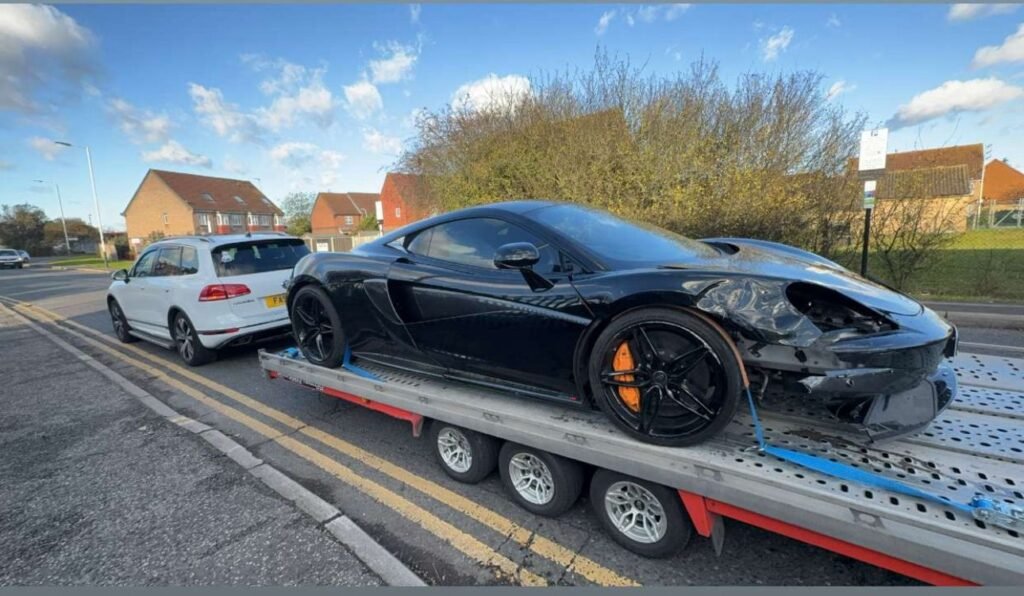
If a vehicle is stuck in mud, snow, sand, or off-road terrain, recovery teams may charge extra for winching or specialist extraction equipment.
Storage or Impound Fees
Vehicles that cannot be immediately transported to a repair centre may incur storage fees, especially if held at a secure facility overnight or for multiple days.
Towing Over Long Distances
While standard towing often includes a base distance, extended mileage beyond the included range may be charged per mile, increasing the total cost.
Accident or Complex Recovery Charges
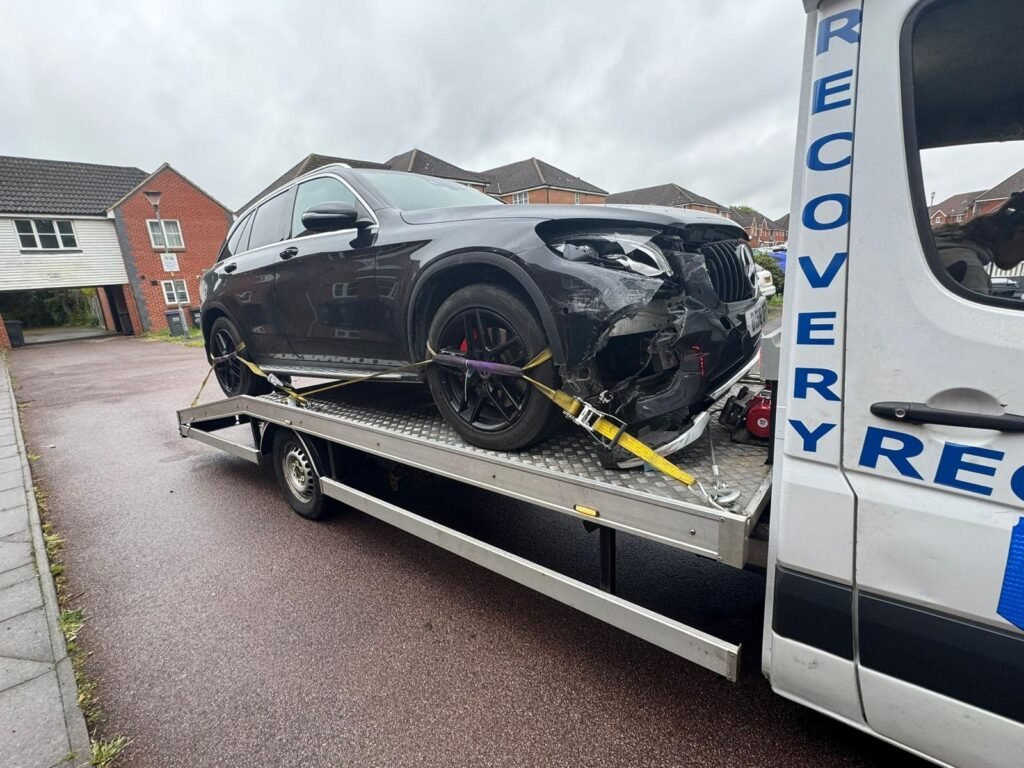
Vehicles involved in collisions or requiring heavy-duty equipment for extraction may incur additional fees due to the labour, time, and specialist tools involved.
After-Hours and Emergency Fees
Recovery outside standard working hours, including nights, weekends, and public holidays, often includes surcharge fees to cover overtime and operational costs.
Vehicle Size or Weight Surcharges
Larger or heavier vehicles, including commercial vans, trucks, or 4x4s, may attract extra charges due to the need for specialised equipment and handling.
How Do Insurance and Breakdown Cover Affect Recovery Pricing?
Insurance and breakdown cover can significantly influence the cost of vehicle recovery in the UK. Drivers with the right coverage often pay less or even avoid direct charges, while those without protection may face full recovery costs.
Coverage for Standard Roadside Assistance
Many breakdown or car insurance policies include roadside assistance, covering minor repairs like tyre changes, battery jumps, or fuel delivery. This can reduce or eliminate the need for a paid call-out.
Towing and Long-Distance Recovery
Higher-tier coverage often includes towing or long-distance recovery, meaning drivers can have their vehicles transported safely to a garage without additional fees.
Accident and Specialist Recovery
Some insurance or breakdown plans extend to accident recovery or off-road extractions. This coverage can prevent significant out-of-pocket expenses for complex recoveries.
Limits and Excess Charges
Even with coverage, policies may include limits on mileage, types of vehicles, or number of call-outs. Excess charges may apply, impacting the overall cost.
Out-of-Hours and Emergency Services
Certain policies cover after-hours or emergency call-outs, while others may not. Without coverage, surcharges for nights, weekends, or holidays will apply.
Fleet and Commercial Vehicle Coverage
Businesses with fleet insurance may benefit from recovery included in the policy, reducing downtime and unexpected costs when commercial vehicles break down.
How Can Customers Reduce Vehicle Recovery Costs?
While vehicle recovery services are essential for safety and efficiency, there are several ways drivers in the UK can reduce costs without compromising service quality.
Choose the Right Recovery Provider
Compare providers for pricing, services offered, and reviews. Selecting a reputable, transparent company helps avoid hidden fees and ensures fair pricing.
Use Breakdown Cover or Insurance
Having comprehensive breakdown cover or insurance with recovery included can significantly reduce out-of-pocket costs for call-outs, towing, and emergency services.
Plan for Local Recovery When Possible
Whenever feasible, arrange recovery to the nearest approved garage instead of long-distance transport. Shorter distances reduce per-mile charges and total costs.
Avoid Emergency Call-Outs
If the situation is safe, waiting for regular operating hours instead of after-hours or weekend services can help avoid surcharges.
Maintain Your Vehicle Regularly
Preventive maintenance reduces the likelihood of breakdowns. Regular servicing, tyre checks, and battery maintenance can minimise recovery incidents and related costs.
Provide Accurate Information to the Recovery Team
Clear details about vehicle type, location, and condition allow recovery teams to bring the right equipment the first time, preventing delays and extra charges.
How Do You Choose a Cost-Effective Vehicle Recovery Provider?
Selecting the right vehicle recovery provider ensures safety, reliability, and cost efficiency. Drivers and businesses in the UK can use several factors to make an informed decision while keeping costs manageable.
Compare Pricing and Services
Look beyond the headline price. Compare call-out fees, per-mile charges, and included services to ensure you are getting value for money.
Check Availability and Response Times
A cost-effective provider is not just about low fees—it should also offer timely responses, 24/7 availability, and fast recovery to minimise downtime.
Assess Vehicle Expertise
Choose a provider experienced with your vehicle type, whether it’s a standard car, motorcycle, 4×4, or commercial vehicle. Proper handling reduces the risk of additional damage and unexpected costs.
Evaluate Customer Reviews and Reputation
Reputation matters. Positive reviews and testimonials indicate reliability and transparency, helping you avoid hidden fees or poor service.
Confirm Equipment and Safety Standards
Ensure the provider uses modern recovery vehicles and follows UK safety regulations. Proper equipment prevents delays, extra labour costs, and potential damage.
Consider Insurance and Membership Benefits
Providers partnered with insurance or breakdown cover plans may offer reduced or included recovery costs. Using such options can make services more cost-effective.
Summing Up
Vehicle recovery services in the UK provide vital support for drivers facing breakdowns, accidents, off-road incidents, or long-distance transport needs. Understanding the costs involved is essential to make informed decisions and avoid unexpected expenses. Pricing is influenced by factors such as the type of service, distance, vehicle size and weight, complexity of the recovery, and the urgency or time of the call-out.
Additional fees may apply for specialist equipment, winching, storage, or challenging locations, while emergency and after-hours recoveries can increase costs further. Drivers with insurance or breakdown cover often benefit from reduced fees or fully covered services, and subscription plans or membership options can provide cost-effective solutions for frequent recovery needs.
By carefully assessing service providers, considering vehicle requirements, and understanding the potential charges, customers can ensure safe, efficient, and cost-effective recovery. Professional recovery services not only protect vehicles and passengers but also provide peace of mind, making them an indispensable resource for anyone navigating the roads of the UK.