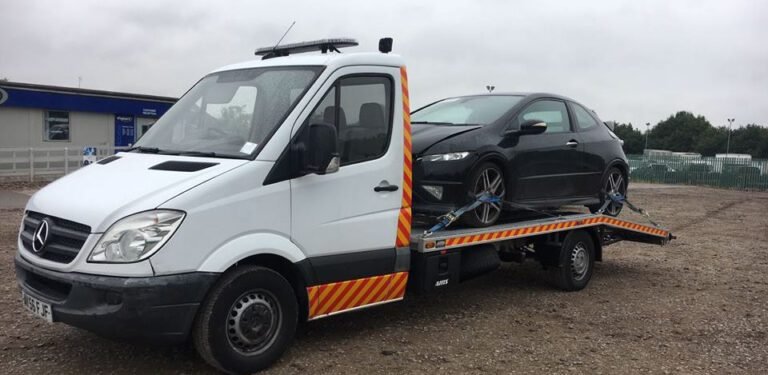
Vehicle recovery services in the UK typically arrive within 30 to 90 minutes, depending on location, traffic, service type, and vehicle accessibility. Urban areas and major motorways benefit from faster response due to proximity to depots, higher fleet density, and well-distributed recovery units, while rural or remote locations may experience extended wait times. Emergency or priority recovery services reduce response times through dedicated vehicles, GPS tracking, and pre-registered membership plans.
Multiple factors influence arrival speed, including traffic congestion, roadworks, time of day, seasonal conditions, and weather. Peak hours, adverse weather, or inaccessible roadside locations can delay recovery, whereas off-peak hours and clear roads improve efficiency. Vehicle type and size also impact response, as larger vehicles, vans, or motorcycles often require specialized recovery units.
Roadside assistance agreements and priority memberships provide faster service. Operators use real-time GPS tracking, mobile apps, and call center updates to ensure drivers can monitor recovery progress accurately. Emergencies are prioritized based on severity, safety risk, and traffic obstruction, allowing rapid deployment of dedicated units.
Understanding these variables helps drivers set realistic expectations and plan accordingly. Proximity to depots, vehicle accessibility, service type, and environmental conditions collectively determine how fast recovery services can reach a breakdown site in the UK, ensuring timely and safe roadside assistance.
How Fast Can Vehicle Recovery Services Arrive?
Vehicle recovery services in the UK typically arrive within 30 to 90 minutes of a call, depending on location, traffic, and service availability. Urban areas generally experience faster response times of around 30 to 45 minutes, while rural or remote locations may extend to 90 minutes. Priority recovery services or membership-based plans often guarantee quicker arrival times through pre-arranged logistics and dedicated operators.
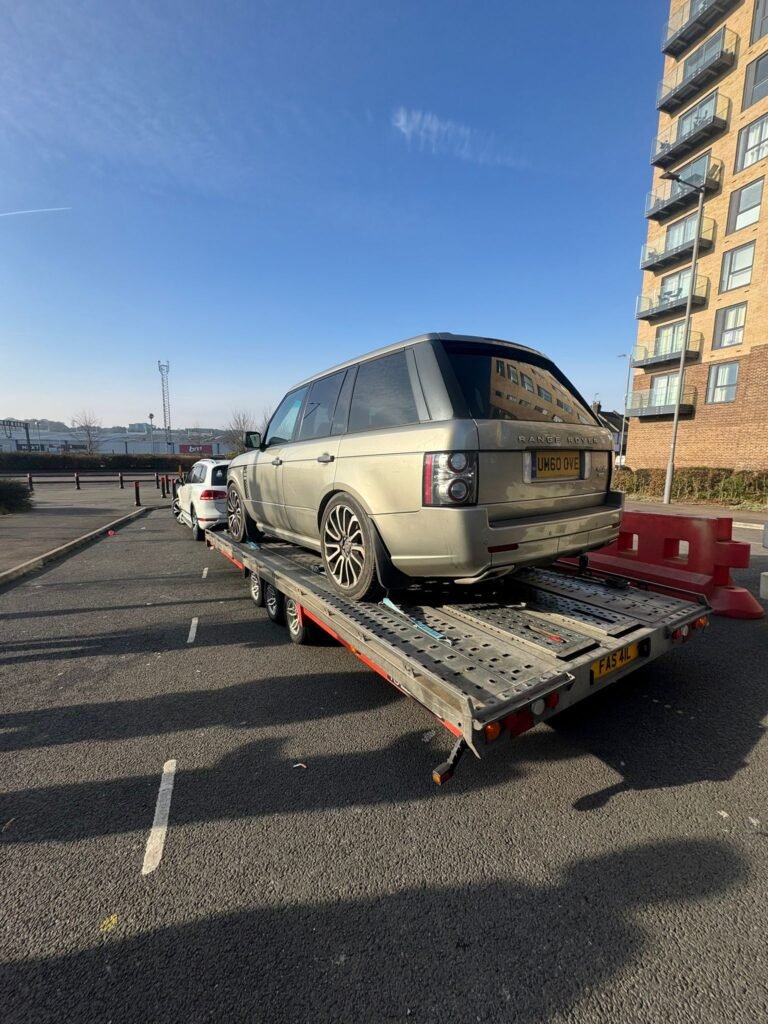
Factors Affecting Response Time
Response time depends on traffic conditions, distance from the nearest recovery unit, and current service demand. Peak traffic or adverse weather can extend arrival times, while proximity to major roads or motorways improves speed.
Type of Vehicle Recovery Service
Different recovery services offer varying response speeds. Standard recovery may take longer, while rapid roadside assistance or emergency call-out services are optimized for faster arrival.
Availability of Recovery Units
Local service density influences arrival speed. Regions with multiple recovery depots or extensive coverage networks typically experience shorter wait times for roadside assistance.
Membership and Priority Services
Pre-booked or subscription-based recovery plans can guarantee faster response. Members often access dedicated operators, GPS tracking, and priority dispatch, reducing arrival times compared to ad-hoc call-outs.
Roadside Accessibility
Vehicle location and accessibility affect recovery speed. Easily reachable roadside locations enable quicker service, while difficult terrains, narrow lanes, or restricted areas may delay arrival.
Communication and Coordination
Clear communication of vehicle details, location, and problem type helps operators dispatch units efficiently. Accurate information ensures the nearest available recovery team is sent without unnecessary delays.
What Factors Affect Vehicle Recovery Response Times in the UK?
Vehicle recovery response times in the UK are influenced by location, traffic conditions, service type, and operator availability. Urban areas with higher depot density often experience faster response, while rural or remote areas may see longer waits. Environmental factors, vehicle accessibility, and the complexity of the breakdown also play a significant role.
Geographic Location
Distance from the nearest recovery unit affects arrival speed. Cities and major motorways benefit from shorter response times, whereas rural locations may require extended travel for recovery vehicles.
Traffic and Road Conditions
Heavy traffic, roadworks, or accidents can delay recovery arrival. Peak hours and congested areas often increase response times, while clear roads allow faster dispatch.
Type of Recovery Service
Emergency call-outs or premium roadside assistance typically arrive faster than standard recovery. Services with dedicated rapid-response units prioritize urgent breakdowns.
Availability of Recovery Teams
Operator staffing and fleet distribution influence response times. Areas with limited recovery units or high demand may experience longer waits.
Vehicle Accessibility
The location and condition of the broken-down vehicle impact speed. Vehicles on easily accessible roads receive quicker service than those in hard-to-reach areas or off-road locations.
Communication and Information Accuracy
Providing accurate details about the breakdown, location, and vehicle type enables efficient dispatch. Clear communication reduces delays caused by misdirected or improperly equipped recovery units.
Seasonal and Environmental Factors
Weather events, such as snow, rain, or flooding, and seasonal traffic patterns affect response. Adverse conditions can extend arrival times, while favorable conditions support standard recovery expectations.
How Quickly Do Professional Vehicle Recovery Companies Typically Reach You?
Professional vehicle recovery companies in the UK typically reach customers within 30 to 90 minutes of a call. Response times vary depending on location, traffic, service type, and availability of recovery units. Urban and motorway areas often see faster arrivals of 30 to 45 minutes, while remote or rural locations may require up to 90 minutes for a recovery vehicle to reach the breakdown site.
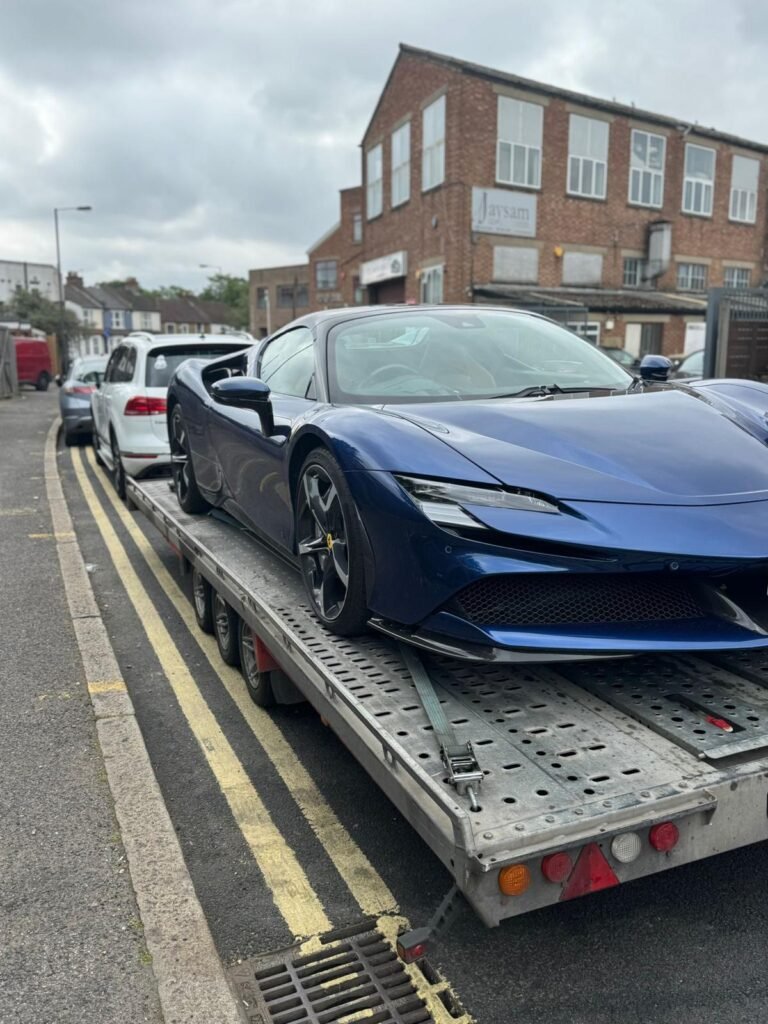
Standard Recovery Response
Standard vehicle recovery services usually take 60 to 90 minutes to arrive. These services prioritize fairness in dispatch but may be affected by distance, traffic, and operator workload.
Emergency and Rapid Response
Emergency or priority recovery services often arrive within 30 to 45 minutes. Operators deploy dedicated rapid-response units and may use GPS tracking to optimize the route.
Membership-Based Plans
Membership or subscription recovery plans frequently guarantee faster arrival times. These services provide priority dispatch and access to local recovery networks, reducing average response time.
Factors Influencing Arrival
Traffic, weather, and road accessibility impact how quickly recovery teams arrive. Congested urban routes may delay standard recovery, while accessible locations on main roads allow quicker service.
Vehicle Type Considerations
Specialized vehicles, such as trucks or motorcycles, may require additional preparation. Recovery units equipped for specific vehicle types may take slightly longer to reach the breakdown site.
Operator Availability
High-demand periods or remote locations can extend response times. Recovery companies with multiple depots and fleet coverage maintain faster average response times compared to operators with limited resources.
How Do Traffic Conditions Influence Vehicle Recovery Arrival Times?
Traffic conditions directly impact how quickly vehicle recovery services can reach a breakdown. Congested roads, peak-hour traffic, or roadworks slow recovery vehicles, extending response times beyond the typical 30–90 minutes. Clear roads and efficient route planning enable faster arrivals, particularly in urban and motorway areas.
Peak Hour Delays
Rush hour traffic significantly slows recovery dispatch. Vehicles navigating through congested city streets or busy motorways often experience longer arrival times compared to off-peak periods.
Roadworks and Construction Zones
Ongoing roadworks or lane closures hinder recovery vehicle access. Recovery units may need to take detours, increasing the time needed to reach the customer.
Accident or Incident Traffic
Traffic jams caused by accidents or breakdowns affect nearby recovery response. Recovery teams may face rerouting or delays while managing high-demand areas.
Urban vs Rural Impact
City traffic typically delays response more than rural routes. While urban areas have faster access to recovery units, congestion often offsets the advantage, whereas rural locations face longer distances but less congestion.
Route Optimization
Recovery operators use GPS and real-time traffic data to minimize delays. Strategic routing helps reduce the impact of traffic on arrival times, improving efficiency despite heavy congestion.
Seasonal Traffic Patterns
Holidays or special events increase road congestion. Recovery services may experience delays during these periods, extending response times beyond standard expectations.
How Does the Location of the Breakdown Affect Response Speed?
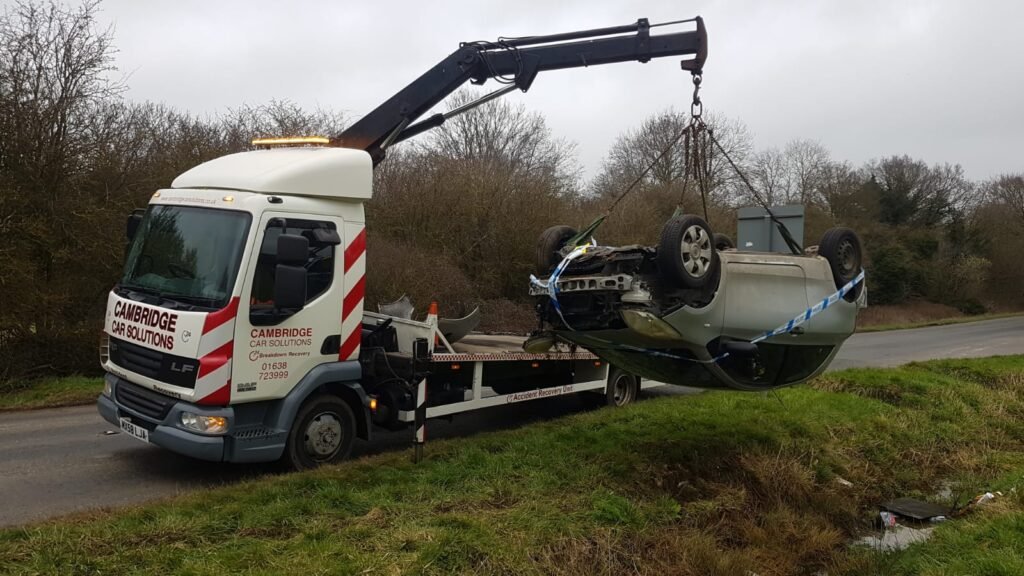
The location of a vehicle breakdown significantly affects recovery response speed. Breakdowns in urban areas or near motorways typically receive faster service due to proximity to recovery depots and high fleet coverage. Remote, rural, or hard-to-access locations often extend arrival times, sometimes up to 90 minutes or more.
Urban Accessibility
City and suburban locations allow quicker response due to dense depot networks. Recovery vehicles can navigate shorter distances and reach the breakdown site faster than in remote areas.
Rural and Remote Areas
Breakdowns in rural regions face longer arrival times. Greater distances from recovery depots and limited local coverage increase wait times for roadside assistance.
Proximity to Major Roads
Breakdowns near motorways or main roads enable faster dispatch. Easy access reduces travel time and allows recovery units to reach customers efficiently.
Hard-to-Reach Locations
Narrow lanes, off-road areas, or restricted-access roads slow recovery arrival. Recovery teams may need specialized equipment or alternative routes, increasing response time.
Seasonal and Environmental Effects
Weather and seasonal traffic patterns can further influence response. Snow, flooding, or holiday congestion in specific areas may delay recovery, even in locations with normally fast coverage.
Depot Density
Regions with more recovery depots experience shorter wait times. A higher concentration of vehicles and staff improves overall response efficiency.
How Do Vehicle Type and Size Impact Recovery Arrival Time?
Vehicle type and size influence recovery arrival times because specialized equipment may be required. Standard cars are easier and faster to recover, while larger vehicles, vans, or motorcycles often need specific recovery units, which can extend response times.
Standard Cars
Passenger cars are quickest to recover due to readily available flatbed or tow trucks. Recovery teams can dispatch the nearest unit without additional preparation, minimizing wait times.
Larger Vehicles and Vans
Vans, trucks, and commercial vehicles require specialized equipment. Recovery units must be properly equipped and sometimes larger vehicles take longer to maneuver, slightly increasing arrival times.
Motorcycles
Motorcycle recovery may require tailored carriers or trailers. Operators often schedule specific units, which can add a few extra minutes to response time.
Fleet and Equipment Availability
Recovery speed depends on whether suitable vehicles are available nearby. High-demand periods or remote locations with limited specialized units may delay arrival.
Accessibility Requirements
Vehicle dimensions affect the ability to navigate tight or off-road locations. Larger vehicles may need alternative routes or preparation, extending the total time to reach the breakdown.
Emergency vs Standard Service
Priority or emergency recovery services often reduce delays for larger or specialized vehicles. Operators assign the nearest appropriate unit to ensure faster response despite size considerations.
How Does Time of Day or Week Affect Vehicle Recovery Response Times?
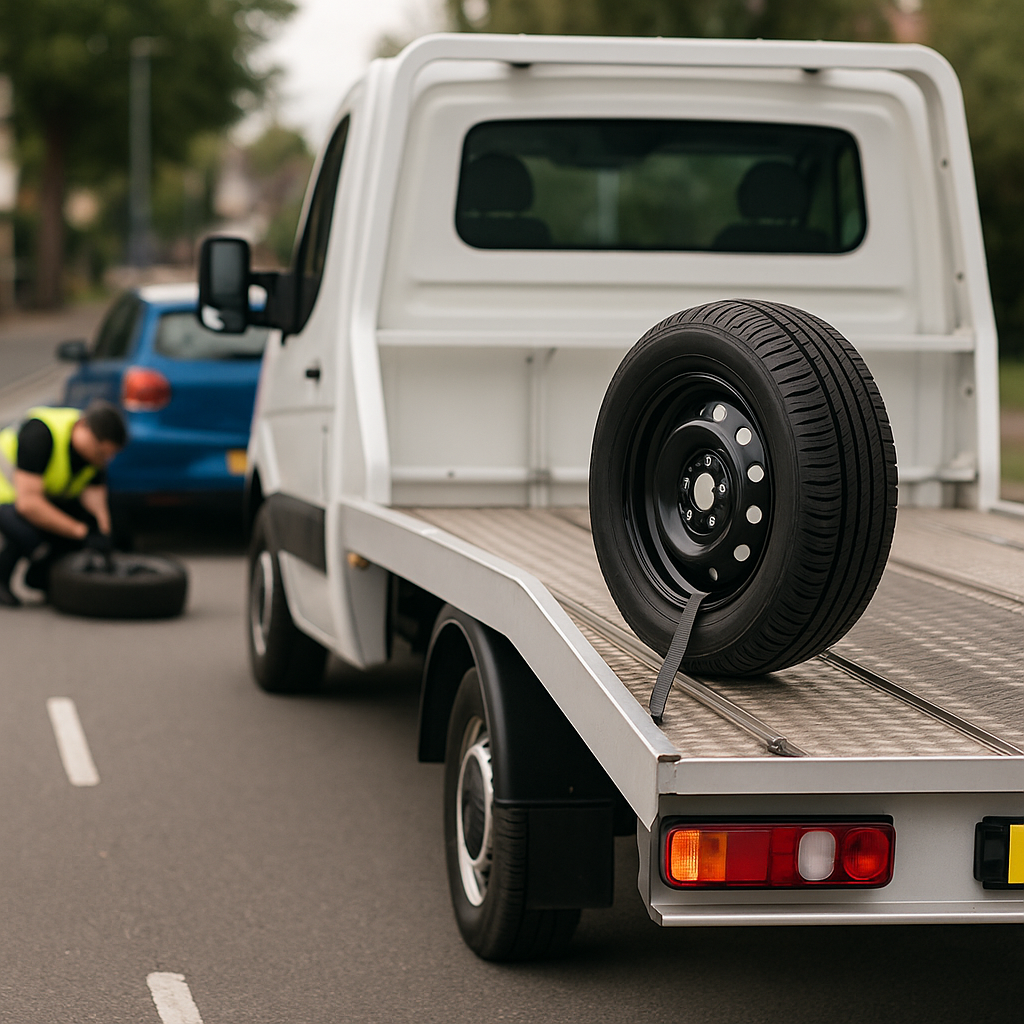
Time of day and week significantly influence vehicle recovery response times. Peak traffic hours, nighttime, weekends, and public holidays can extend arrival times due to higher demand, reduced staffing, and road congestion. Off-peak hours generally allow faster response for roadside assistance.
Peak Traffic Hours
Morning and evening rush hours increase delays. Recovery vehicles must navigate congested roads, often extending standard 30–90 minute response times.
Nighttime Recovery
Nighttime breakdowns may take longer due to limited staffing. Operators maintain fewer active units overnight, which can slightly increase arrival times.
Weekends and Public Holidays
High demand during weekends or holidays affects availability. Recovery units may be spread across multiple call-outs, delaying service for individual customers.
Off-Peak Hours
Midday or early morning calls often receive faster service. Less traffic and lower demand enable recovery teams to reach breakdowns more efficiently.
Seasonal Effects
Winter months or holiday periods can exacerbate delays. Increased travel, adverse weather, and road conditions contribute to longer response times.
Fleet Coverage and Depot Distribution
Recovery speed depends on nearby depot locations and unit availability. Areas with multiple depots experience faster responses regardless of time, while isolated locations may see extended waits.
How Do Weather Conditions Affect How Fast Recovery Services Can Arrive?
Weather conditions directly impact the speed of vehicle recovery services. Rain, snow, fog, or icy roads slow travel and reduce visibility, increasing response times beyond the typical 30–90 minutes. Clear weather allows operators to reach breakdowns efficiently.
Rain and Wet Roads
Heavy rain reduces road traction and visibility. Recovery vehicles must drive more cautiously, slightly extending arrival times.
Snow and Ice
Snow and icy conditions create hazardous routes. Recovery teams may need specialized equipment and slower speeds, delaying service, especially in rural areas.
Fog and Low Visibility
Fog decreases visibility for drivers and recovery operators. Reduced sightlines can slow travel and increase response times, even in normally accessible areas.
Flooding
Flooded roads may become impassable. Recovery teams must reroute or wait for safe conditions, significantly increasing arrival times.
Seasonal Weather Patterns
Winter storms or heavy rainfall periods commonly extend response times. Operators must consider both safety and efficiency when dispatching units.
Urban vs Rural Impact
Weather affects remote or rural areas more heavily. Limited road options and fewer recovery units amplify delays during adverse conditions.
How Do Roadside Assistance Agreements Influence Recovery Speed?
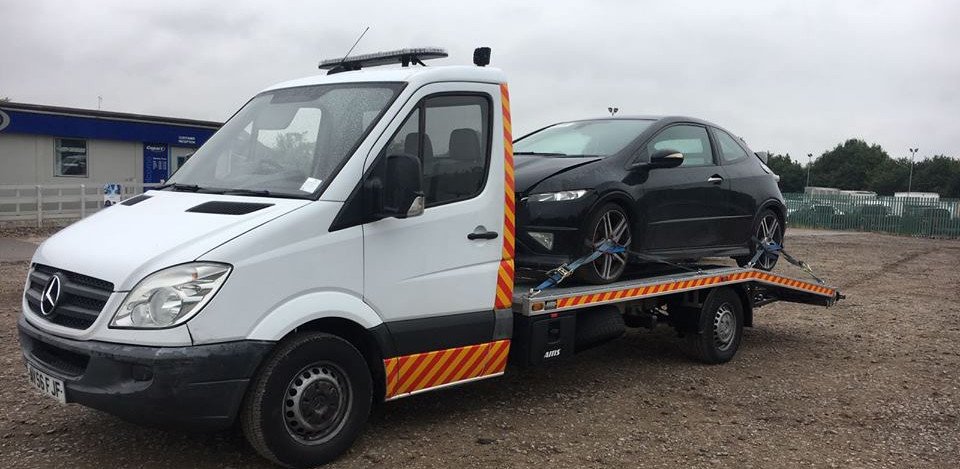
Roadside assistance agreements significantly improve recovery speed by providing priority dispatch and dedicated resources. Members of subscription or insurance-backed plans often experience faster arrival times compared to ad-hoc call-outs, typically reducing response to 30–45 minutes in urban areas.
Priority Dispatch
Agreements give members priority over standard call-outs. Operators assign the nearest available recovery unit immediately, minimizing delays caused by high demand.
Dedicated Recovery Units
Membership plans often include dedicated vehicles and crews. This ensures rapid response, even during peak hours or adverse conditions.
Pre-Registered Vehicle Details
Registered vehicles in assistance programs streamline dispatch. Operators access vehicle type, location, and coverage instantly, reducing communication delays.
Geographic Coverage
Agreements often include nationwide or regional coverage. Members benefit from multiple depot locations, improving response times regardless of breakdown location.
Emergency and Premium Services
Subscription plans may offer faster emergency services. Specialized units for motorcycles, vans, or trucks ensure quicker handling of unique vehicle types.
Seasonal and Environmental Considerations
Priority members are less affected by weather or traffic delays. Operators can allocate additional resources to maintain faster arrival despite adverse conditions.
How Can Drivers Track Vehicle Recovery Services in Real Time?
Drivers can track vehicle recovery services in real time using GPS-enabled apps, text alerts, or online portals provided by recovery operators. Real-time tracking allows customers to see the exact location of the dispatched recovery vehicle and estimate arrival times accurately, improving transparency and reducing uncertainty during a breakdown.
GPS Tracking Systems
Recovery companies use GPS on their fleet vehicles to provide live updates. Customers can monitor the vehicle’s route and progress directly from a mobile device or website.
Mobile Applications
Many roadside assistance providers offer dedicated apps. These apps show the recovery unit’s current location, estimated time of arrival, and contact information for the operator.
SMS and Email Alerts
Some operators provide text or email updates. Customers receive notifications about unit dispatch, progress, and expected arrival times, ensuring continuous communication.
Call Center Support
Operators can provide live updates over the phone. Customer service staff relay the recovery vehicle’s location and any changes in arrival time during transit.
Benefits of Real-Time Tracking
Tracking reduces uncertainty and allows drivers to plan accordingly. Knowing the estimated arrival helps drivers stay safe, especially on busy roads or hazardous conditions.
Integration with Roadside Assistance Plans
Membership or subscription plans often include advanced tracking features. These provide faster, more precise updates compared to standard call-outs.
How Do Vehicle Recovery Companies Prioritize Emergencies for Faster Arrival?
Vehicle recovery companies prioritize emergencies by assessing the severity of the breakdown, location, and safety risks. High-priority cases, such as stranded vehicles on motorways or accidents, receive immediate dispatch, reducing response times compared to standard call-outs.

Severity Assessment
Operators evaluate the urgency of each call. Vehicles in hazardous locations or those causing traffic obstruction are treated as high priority for faster recovery.
Safety Considerations
Breakdowns posing safety risks are prioritized. Cars on busy roads, poorly lit areas, or near dangerous junctions receive immediate attention to protect both drivers and other road users.
Emergency Fleet Allocation
Dedicated rapid-response units are assigned to urgent cases. These vehicles are strategically positioned to reach emergencies faster than standard recovery vehicles.
Membership and Priority Services
Emergency priority plans ensure quicker arrival. Subscribers often access dedicated operators and GPS-tracked units to minimize delays during high-demand periods.
Route Optimization
Operators use real-time traffic and navigation tools. Emergency recovery units are routed efficiently to reach critical locations faster.
Communication and Coordination
Constant communication between drivers and dispatch ensures rapid response. Updates on location, obstacles, and traffic allow recovery teams to adjust their approach en route.
Summing Up
Vehicle recovery response times in the UK vary from 30 to 90 minutes depending on location, traffic, vehicle type, and service priority. Urban areas and motorways typically experience faster arrivals, while rural or hard-to-access locations may extend wait times. Emergency or priority services, along with roadside assistance agreements, reduce response times by deploying dedicated vehicles and leveraging real-time tracking.
Traffic, weather, time of day, and seasonal conditions significantly influence how quickly recovery units can reach a breakdown. Peak hours, roadworks, snow, or heavy rain can slow arrival, whereas off-peak periods and clear conditions allow more efficient dispatch. Vehicle size and type also affect recovery, as larger vans, trucks, or motorcycles may require specialized equipment.
Real-time GPS tracking and accurate location details improve efficiency and transparency. Drivers can monitor recovery progress and receive estimated arrival times, enhancing safety and planning during roadside incidents. Understanding these factors helps set realistic expectations and ensures timely, effective vehicle recovery across the UK.